


Technical SEO forms the invisible backbone of every successful website, yet many businesses struggle to understand what it involves or why it matters. While content and backlinks grab attention, technical SEO quietly ensures search engines can properly crawl, index, and rank your site.
What Are Technical SEO Services?
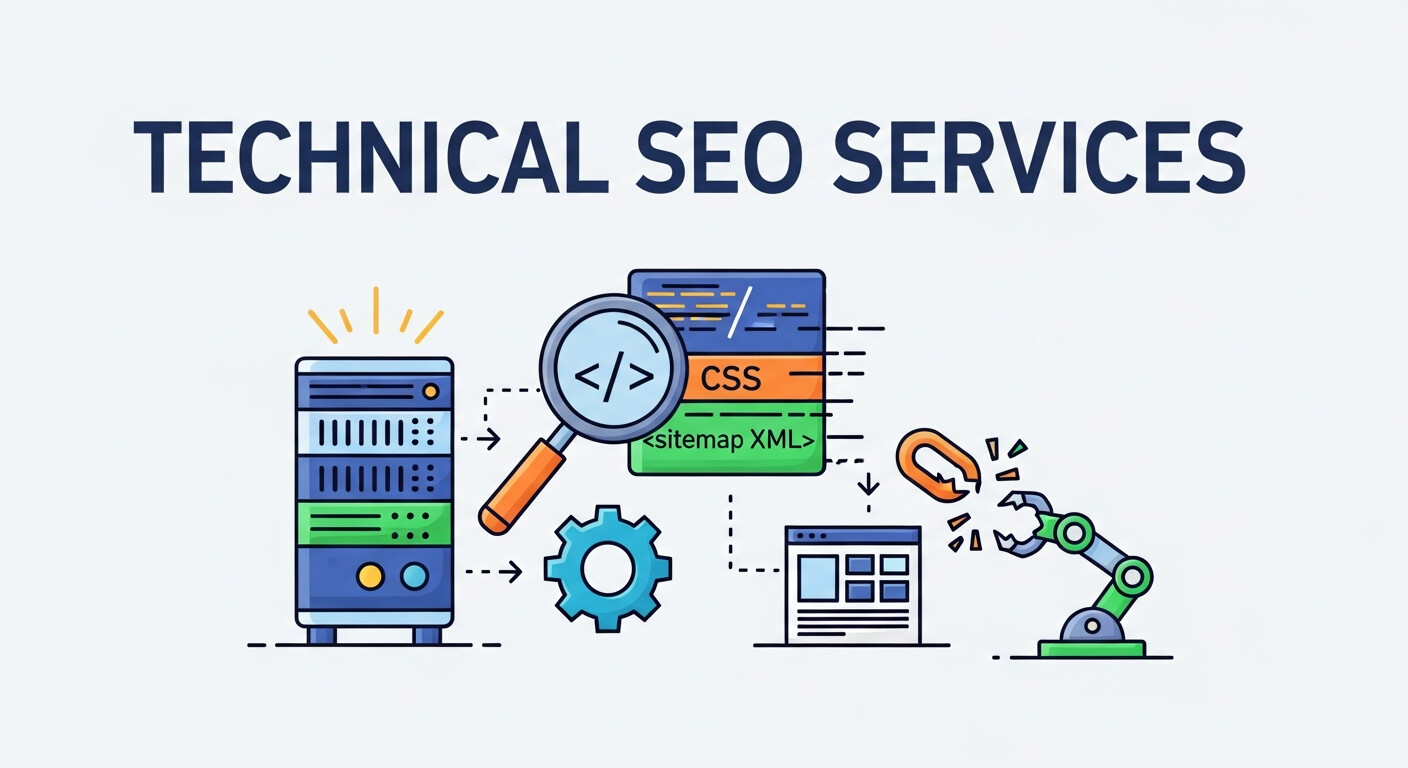
Technical SEO services focus on optimizing the technical foundation of your website to improve search engine visibility. Unlike content SEO, which deals with keywords and topics, technical SEO addresses the underlying infrastructure that makes your site accessible to search engines.
Professional technical SEO services typically include site speed optimization, mobile responsiveness improvements, crawlability enhancements, and structured data implementation. These services ensure search engines can efficiently discover, understand, and index your content.
Core Components of Technical SEO
Site Architecture and Navigation
Your website’s structure directly impacts how search engines crawl and understand your content. Technical SEO services optimize your site’s architecture by creating logical URL structures, implementing proper internal linking, and ensuring smooth navigation paths.
Page Speed and Performance
Site speed significantly affects both user experience and search rankings. Technical SEO specialists optimize images, minify code, leverage browser caching, and implement content delivery networks to reduce loading times.
Mobile Optimization
With mobile-first indexing, Google primarily uses your mobile site for ranking decisions. Technical SEO services ensure your site provides excellent mobile experiences through responsive design and mobile-specific optimizations.
Crawlability and Indexability
Search engines must crawl your pages before they can rank them. Technical SEO services address crawl errors, optimize robots.txt files, and ensure important pages are easily discoverable by search engine bots.
Why Technical SEO Services Matter
Impact on Search Rankings
Technical issues can severely limit your search visibility, regardless of content quality. A slow-loading site, broken internal links, or crawl errors can prevent search engines from properly indexing your pages.
Research shows that sites loading in under three seconds have significantly better rankings than slower competitors. Technical SEO services address these performance issues to improve your competitive position.
User Experience Benefits
Technical optimizations directly improve user experience. Faster loading times, mobile-friendly designs, and proper site structure make your website more enjoyable to use. Better user experience typically leads to longer visit durations and higher conversion rates.
Long-term ROI
Technical SEO improvements often provide lasting benefits. Unlike content that may become outdated, technical optimizations continue delivering value for months or years. This makes technical SEO services a smart long-term investment.
Common Technical SEO Issues
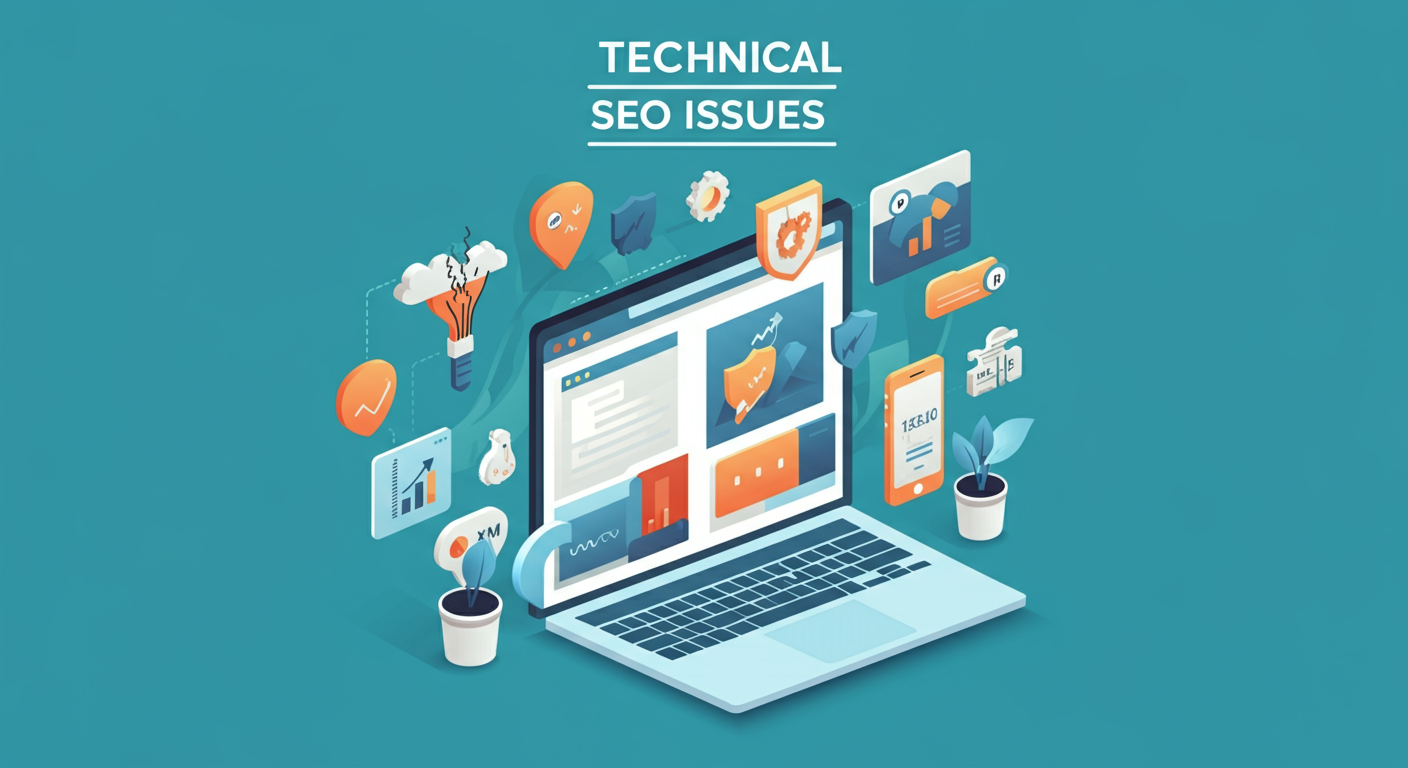
Site Speed Problems
Many websites suffer from slow loading times due to oversized images, excessive plugins, or poor hosting. Technical SEO services identify and resolve these bottlenecks to improve performance.
Page speed issues particularly affect mobile users, who often abandon sites that take longer than three seconds to load. Professional optimization can reduce loading times by 50% or more.
Mobile Usability Errors
Mobile usability problems include text that’s too small to read, clickable elements placed too close together, and content wider than the screen. These issues frustrate users and hurt search rankings.
Crawl and Index Issues
Search engines sometimes struggle to crawl certain pages due to technical barriers. Common problems include broken robots.txt files, incorrect canonical tags, and orphaned pages with no internal links.
Duplicate Content
Technical duplicate content issues occur when the same content appears at multiple URLs. This can confuse search engines and dilute your ranking potential. Technical SEO services implement proper canonicalization and URL structure to resolve these issues.
Choosing Technical SEO Services
Evaluating Service Providers
When selecting technical SEO services, look for providers with proven experience and comprehensive approaches. The best services combine technical expertise with strategic thinking about your business goals.
Ask potential providers about their audit process, reporting methods, and typical project timelines. Quality technical SEO services should provide detailed explanations of issues and clear implementation plans.
Technical SEO Implementation Process
Initial Site Audit
Professional technical SEO services begin with comprehensive site audits that identify all technical issues affecting your search performance. These audits typically take 1-2 weeks for thorough analysis.
Audits examine site speed, mobile usability, crawlability, indexability, and technical errors. The resulting report prioritizes issues based on their impact on search rankings and user experience.
Priority Issue Resolution
After identifying issues, technical SEO services focus on high-impact problems first. This might include fixing critical crawl errors, improving site speed, or resolving mobile usability issues.
The implementation timeline depends on issue complexity and your development resources. Simple fixes might take days, while comprehensive optimizations can require weeks or months.
Ongoing Monitoring and Maintenance
Technical SEO requires ongoing attention as websites evolve and search engines update their algorithms. Professional services provide continuous monitoring to catch new issues quickly.
Regular maintenance includes monitoring site speed, checking for new crawl errors, and ensuring technical optimizations remain effective over time.
Measuring Technical SEO Success
Key Performance Indicators
Crawl Efficiency
Monitor how efficiently search engines crawl your site by tracking crawl rate and identifying crawl errors. Improved crawl efficiency often leads to better indexing and rankings.
Page Speed Metrics
Track loading times across different devices and connections. Core Web Vitals, Google’s official speed metrics, provide standardized measurements for performance optimization.
Mobile Usability Scores
Google Search Console provides mobile usability reports showing specific issues affecting mobile users. Improvements in mobile scores typically correlate with better mobile rankings.
Organic Traffic Growth
While technical SEO affects rankings indirectly, successful optimization usually leads to increased organic traffic over time. Monitor traffic trends to gauge overall technical SEO effectiveness.
Reporting and Analysis
Quality technical SEO services provide regular reports showing progress on key metrics. These reports should clearly explain improvements and identify areas needing additional attention.
Look for reports that connect technical improvements to business outcomes. The best services demonstrate how technical optimizations contribute to increased traffic, leads, or sales.
Future of Technical SEO Services
Emerging Technologies
Technical SEO services continue evolving to address new technologies and search engine updates. Core Web Vitals, voice search optimization, and AI-generated content present new technical challenges.
Professional services stay current with these developments to ensure your site remains competitive. This includes understanding new ranking factors and implementing cutting-edge optimization techniques.
Integration with Other SEO Services
Technical SEO works best when integrated with content and link building strategies. Many providers now offer comprehensive SEO services that combine technical optimization with content creation and promotion.
This integrated approach ensures technical improvements support your overall SEO strategy rather than working in isolation.
Getting Started with Technical SEO
Technical SEO services provide the foundation for successful search engine optimization. Without proper technical optimization, even the best content struggles to achieve top rankings.
Start by conducting a comprehensive technical audit to identify your biggest opportunities. Whether you choose to work with professional services or handle optimization internally, addressing technical issues should be your first priority.
Remember that technical SEO is an ongoing process, not a one-time fix. Regular monitoring and maintenance ensure your site continues performing well as search engines evolve and your website grows.
Consider your budget, timeline, and internal capabilities when deciding between DIY optimization and professional technical SEO services. The right choice depends on your specific situation, but investing in technical optimization almost always provides positive returns through improved search visibility and user experience.
Foundation for Scalable Website Growth
A technically optimized website creates a scalable base that supports long-term digital growth. When technical elements are handled correctly, strategies like Mobile SEO become more effective because search engines can easily access and evaluate mobile content. This foundation also aligns well with any professional SEO Guide, helping teams implement changes without risking crawl or index issues. Businesses planning expansion often rely on Advanced SEO Techniques such as international targeting, schema enhancements, and automation, all of which require strong technical support. Over time, this stability reduces dependency on constant fixes and allows SEO efforts to focus on growth rather than damage control. A solid technical setup ultimately transforms SEO from a reactive task into a predictable, scalable marketing channel.
Role of Technical SEO in Competitive Markets
In highly competitive industries, technical precision often separates top-ranking websites from the rest. Even well-written content struggles if Mobile SEO performance is weak or pages fail to meet performance benchmarks. Technical improvements make it easier to follow a structured SEO Guide while applying Advanced SEO Techniques like log-file analysis and crawl budget optimization. For professionals building a Successful SEO Career, understanding how technical elements influence rankings becomes a critical skill. Search engines reward sites that deliver speed, clarity, and accessibility. As competition increases, technical SEO ensures your site doesn’t lose visibility due to hidden errors, allowing your brand to compete on quality rather than just budget or backlinks.
Supporting Content Performance Through Technical Strength
High-quality content delivers results only when supported by a technically sound environment. Proper indexing, structured data, and clean URLs help search engines interpret content accurately, improving overall relevance. Mobile SEO plays a major role here, as mobile-first indexing determines how content is evaluated across devices. Following an SEO Guide without technical alignment often leads to missed opportunities, especially when Advanced SEO Techniques like topic clustering or semantic markup are used. For those pursuing a Successful SEO Career, understanding this connection is essential. Technical SEO ensures that content investments produce consistent returns by maximizing visibility, usability, and search engine trust across all platforms.
Enhancing Trust and Search Engine Confidence
Search engines prioritize websites that demonstrate reliability and technical clarity. Secure connections, proper indexing signals, and optimized mobile performance all contribute to stronger trust signals. Mobile SEO ensures that users across devices receive consistent experiences, which reinforces credibility. A well-structured SEO Guide often emphasizes trust-building, but Advanced SEO Techniques rely heavily on technical accuracy to function correctly. Professionals aiming for a Successful SEO Career must recognize how technical compliance influences algorithmic confidence. When search engines trust your site’s infrastructure, they crawl it more efficiently and rank it more consistently. This trust compounds over time, leading to stable visibility even during algorithm updates.
Reducing Risk from Algorithm Updates

Algorithm updates frequently target performance, usability, and technical quality. Websites with weak technical foundations often see sudden ranking drops, regardless of content strength. Mobile SEO readiness is especially important, as mobile experience remains a core ranking factor. Following a reliable SEO Guide helps, but applying Advanced SEO Techniques without technical stability increases risk. For anyone developing a Successful SEO Career, managing algorithm volatility is a key responsibility. Technical SEO minimizes uncertainty by aligning your site with search engine expectations. This proactive approach protects rankings, reduces recovery time after updates, and ensures long-term resilience in an evolving search landscape.
Improving Conversion and Engagement Metrics
Technical SEO doesn’t just affect rankings—it directly influences user behavior. Faster pages, mobile-friendly layouts, and smooth navigation improve engagement and conversion rates. Strong Mobile SEO ensures users don’t abandon pages due to slow load times or poor usability. A comprehensive SEO Guide often connects technical improvements with performance metrics, while Advanced SEO Techniques help refine user journeys. For professionals pursuing a Successful SEO Career, understanding this relationship adds strategic value. When users have seamless experiences, they stay longer, interact more, and convert at higher rates. These behavioral signals further reinforce search visibility and overall site performance.
Building Long-Term SEO Expertise and Authority
Mastering technical SEO builds authority for both websites and professionals. Sites with strong technical foundations adapt easily to new standards, including Mobile SEO advancements and evolving search behaviors. Applying insights from a trusted SEO Guide becomes easier when infrastructure supports Advanced SEO Techniques. For individuals aiming to establish a Successful SEO Career, technical expertise sets them apart in a crowded market. Businesses benefit as well, gaining consistent visibility and reduced dependency on short-term tactics. Over time, technical SEO becomes a strategic asset—supporting innovation, stability, and sustainable growth across all digital marketing efforts.
Frequently Asked Questions (FAQ)
1. What is Technical SEO?
Technical SEO is the process of optimizing the technical aspects of your website, such as site architecture, page speed, and crawlability, to ensure that search engines can effectively index and rank your content. Unlike content SEO, which focuses on keywords and topics, technical SEO ensures the infrastructure of your site is search-engine friendly.
2. Why is Technical SEO important?
Technical SEO is crucial because it helps search engines understand and crawl your site more efficiently. If your website has technical issues like slow load times or broken links, it can negatively impact your rankings, even if the content is high-quality. Proper technical optimization ensures better search engine visibility, which leads to higher rankings and more organic traffic.
3. What does a Technical SEO service include?
Technical SEO services generally include optimizing site speed, improving mobile responsiveness, fixing crawlability issues, implementing structured data, and resolving any technical errors like broken links or missing meta tags. The goal is to make your website more accessible and understandable to search engines.
4. How does Technical SEO affect search rankings?
Technical SEO can directly impact your search rankings. Issues like slow site speed, poor mobile usability, or crawl errors can prevent search engines from indexing your pages properly. When these technical issues are fixed, search engines can better crawl and rank your website, leading to improved visibility and rankings.
5. What are the core components of Technical SEO?
The core components of Technical SEO include site architecture and navigation, page speed and performance, mobile optimization, and ensuring crawlability and indexability. A properly optimized website ensures a logical structure, fast loading times, mobile-friendliness, and easy access for search engine bots to index content.
6. What are common Technical SEO issues?
Common issues include slow site speed, mobile usability problems, crawl and index errors, and duplicate content. For example, oversized images or unoptimized code can slow down your site, while incorrect canonical tags or missing internal links may prevent search engines from indexing your content properly.
7. How can Technical SEO improve user experience?
Technical SEO improves user experience by making websites faster, more mobile-friendly, and easier to navigate. When your site loads quickly, is responsive on mobile devices, and has clear navigation, users are more likely to stay longer and engage with your content, which often leads to higher conversion rates.
8. How do I know if I need Technical SEO services?
If your website has performance issues like slow loading times, poor mobile usability, crawl errors, or low search rankings despite having great content, it may be time to invest in Technical SEO. A comprehensive site audit can help identify technical problems and areas that need improvement.
9. How long does it take to see results from Technical SEO?
The time it takes to see results from Technical SEO depends on the issues being addressed. Some improvements, like page speed optimizations, may show results in a few weeks, while more complex changes, such as fixing crawl issues or reworking site architecture, can take several months to fully impact rankings and traffic.
10. How can Technical SEO help long-term growth?
By laying a strong technical foundation, Technical SEO supports long-term growth by ensuring your site is scalable, efficient, and able to adapt to algorithm changes. A technically optimized site continues to provide value over time, improving search rankings, user experience, and overall performance as your business grows.


I’m a seasoned mobile marketing strategist helping businesses engage customers through mobile-first campaigns. Specializing in SMS marketing, app optimization, and user engagement, I create strategies that drive conversions and foster lasting relationships.














No Comments