


Informational vs Transactional Keywords SEO refers to understanding different types of search intent used in SEO strategies. Informational keywords are used when users seek knowledge or answers, while transactional keywords indicate buying or action intent. Recognizing the difference helps improve content targeting, increase organic traffic, and boost conversion rates by matching user intent with the right type of content.
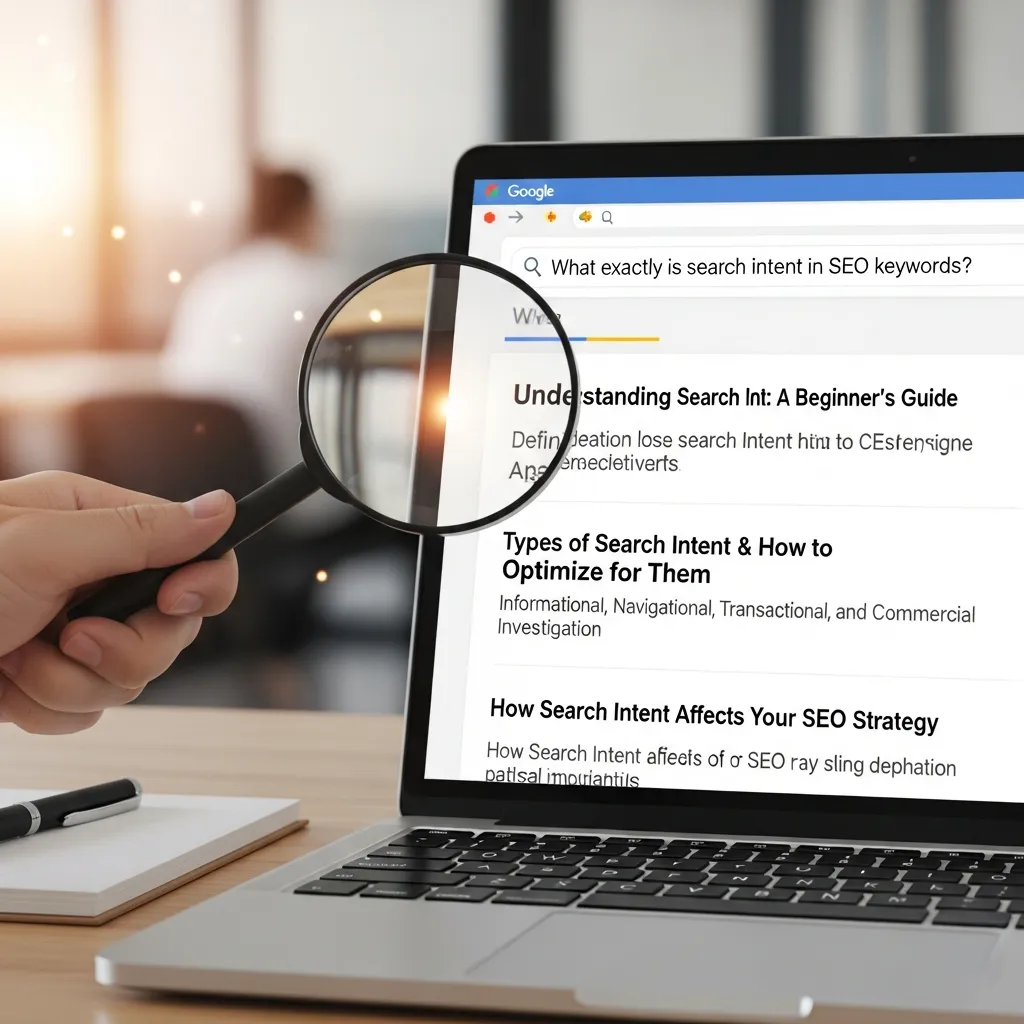 Search intent represents the primary objective a person has when they open a browser and type a phrase into the search bar. This motivation dictates everything about how search engines display results and how users interact with websites. Understanding search intent in SEO keywords allows marketers to stop guessing what their audience wants and start delivering exactly what they need. Search engines prioritize pages that provide the best, most direct answers to user queries, making intent alignment the most important ranking factor today.
 While informational queries bring top-of-funnel prospects to your website, transactional keywords keep your business profitable. Transactional keywords are search queries used by individuals who are fully prepared to take a specific action, such as buying a product or signing up for a service. This intent represents the absolute bottom of the marketing funnel. The user has already completed their research, identified their specific problem, and decided they need to spend money to solve it immediately.
These bottom-of-funnel keywords are highly specific and often feature clear buying modifiers. Examples include terms like “buy,” “discount,” “pricing,” “coupon,” “hire,” and “service near me.” A user searching for “hire emergency plumber Chicago” or “buy iPhone 15 Pro Max online” is displaying undeniable transactional intent. When analyzing informational vs transactional keywords SEO, transactional terms represent the critical moment of conversion.
Informational blog posts will not satisfy a transactional search. Instead, you need content designed specifically for immediate conversion. The best formats for these keywords are e-commerce product pages, targeted service landing pages, and highly optimized checkout flows. The page must remove all friction from the buying process. Include high-quality product images, transparent pricing structures, compelling product descriptions, and prominent call-to-action buttons.
Success for transactional content is measured entirely by its ability to generate revenue. Track your total sales, form submissions, and new account sign-ups. You can utilize platforms like Google Search Console to monitor which specific transactional queries drive clicks to your landing pages, allowing you to optimize those high-value targets further.
Why is balancing informational keywords vs transactional keywords crucial?
Understanding the difference between these two keyword types is powerful, but executing them together is where true marketing success happens. Very few customers wake up and immediately purchase a complex, expensive product. They typically follow a predictable journey. They start with a problem, use informational queries to research potential solutions, evaluate their options using commercial investigation terms, and finally use a transactional query to make a purchase.
This journey is exactly why balancing informational keywords vs transactional keywords is necessary for modern search visibility. When used strategically, these two keyword types form a complete SEO ecosystem. Top-of-funnel blog posts capture broad informational traffic. Middle-of-funnel comparison guides help users evaluate their options. Finally, bottom-of-funnel product pages capture the final transactional searches, turning that highly educated traffic into paying customers.
Informational content also serves as the perfect foundation for a strong internal linking structure. As users read your educational posts, you can gently guide them toward your products. For example, an article explaining keyword concepts should naturally link to a detailed intent-based keyword research strategy to provide readers with deeper, actionable insights. This internal linking passes link equity from your highly linked informational guides directly to your high-converting transactional pages, boosting their rankings in the process.
What are the best strategies for keyword research and AI visibility?
Executing this balanced strategy requires a methodical approach to keyword research, ensuring you target the right phrases for generative engine optimization (GEO). Generative AI systems prioritize factual, directly answering content that clearly outlines decision criteria for the user.
When identifying informational keywords, brainstorm the common questions your audience asks. You can use industry-leading keyword research tools like Ahrefs to uncover the exact search volumes for these questions. Pay close attention to the specific language users employ. Write clear, self-contained statements that AI systems can extract accurately. For instance, write “Our AI writing platform enables content teams to scale production” rather than “It enables you to do more.”
Finding transactional keywords requires focusing heavily on your specific products or services and attaching buying modifiers to them. Competitor analysis provides incredible value during this stage. Review the product and service pages of your top competitors to see exactly which high-intent phrases they target. Choose highly specific long-tail keywords if achieving quick conversions matters more than capturing massive traffic volume.
To maximize AI visibility across your informational and transactional content, structure your pages with answer-first summaries. Place a direct, factual answer immediately after your main headings. Frame your subheadings as specific, long-tail questions that mirror how users actually speak to AI chatbots. According to recent SEO data, improving content structure to directly answer user queries is one of the fastest ways of improving rankings with user intent.
How should marketers measure success and adapt their SEO strategy?
You cannot optimize what you do not measure. Because the user intent behind informational and transactional queries is vastly different, your success metrics must also adapt based on the page type.
For informational keywords, rely heavily on engagement metrics. Track average session duration, pages per session, and newsletter sign-ups. If an informational guide ranks well but users leave within three seconds, you likely have an intent mismatch. These signals help determine whether your content is truly satisfying informational vs transactional keywords SEO requirements at the awareness stage or failing to meet user expectations.
For transactional keywords, focus squarely on conversion rate optimization (CRO). Track the percentage of visitors who complete a purchase, request a quote, or fill out a contact form. These metrics directly reflect how effectively your pages are turning high-intent visitors into customers. Even small improvements in transactional page performance can significantly increase revenue over time.
Search intent frequently shifts over time. A query that was previously informational might become highly transactional during a major shopping holiday or industry event. Conduct regular SERP analysis on your most critical target keywords to catch these shifts early. If the search engine results page suddenly changes from displaying educational blogs to showing product carousels, your content must adapt immediately to match the new transactional intent.
In this evolving landscape, understanding informational vs transactional keywords SEO is essential for long-term adaptability. Marketers who continuously align content with shifting intent patterns are better positioned to maintain rankings, improve engagement, and capture high-value traffic.
Consistently testing your titles and meta descriptions is another excellent way to stay relevant; implementing proven strategies can dramatically increase Google CTR and drive more qualified traffic to your newly optimized pages. Over time, this iterative optimization process ensures that both informational and transactional pages remain aligned with user behavior and search engine expectations.
 Targeting informational vs transactional keywords SEO is not an either-or decision for marketing teams. True digital growth requires a deep, structural understanding of both. Informational content builds your brand’s authority, captures top-of-funnel traffic, and earns the valuable backlinks that power your entire domain’s visibility. Transactional content capitalizes on that hard-earned authority, providing a frictionless path for users who are finally ready to convert.