


Increase Google CTR focuses on improving the percentage of users who click on your website link after seeing it in Google search results. By optimizing titles, meta descriptions, and search intent alignment, websites can attract more organic traffic and improve overall SEO performance. A higher CTR not only boosts visibility but also signals relevance to search engines, helping improve rankings over time.
Search engine optimization involves many moving parts, but getting your website to rank on the first page is only half the battle. Once your link appears in the search results, you face an entirely different challenge: convincing the searcher to actually click on it. This is where the concept of click-through rate comes into play. If your links are highly visible but no one is clicking them, your organic traffic will remain stagnant.
Click-through rate is the percentage of people who click on your link after seeing it in the search results. A high click-through rate tells search engines that your page is highly relevant and valuable to searchers. Conversely, a low click-through rate sends a negative signal, which can eventually cause your rankings to drop. Learning how to increase Google CTR is an essential step for anyone looking to maximize their organic search traffic without necessarily needing to build more backlinks or write new content.
Small adjustments to how your pages appear in the search results can lead to massive gains in traffic. You do not need to overhaul your entire website to see these benefits. Simple tweaks to your title tags, meta descriptions, and page URLs can transform an ignored link into an irresistible magnet for clicks. When you focus on ways to increase Google CTR, you make your existing search engine rankings work much harder for your business.
This guide explores practical, tested strategies that will help you capture more attention on the results page. You will learn how modern searchers interact with search engine features, how to write copy that demands a click, and how to track your progress over time.
Understanding Google’s Search Results Page (SERP)
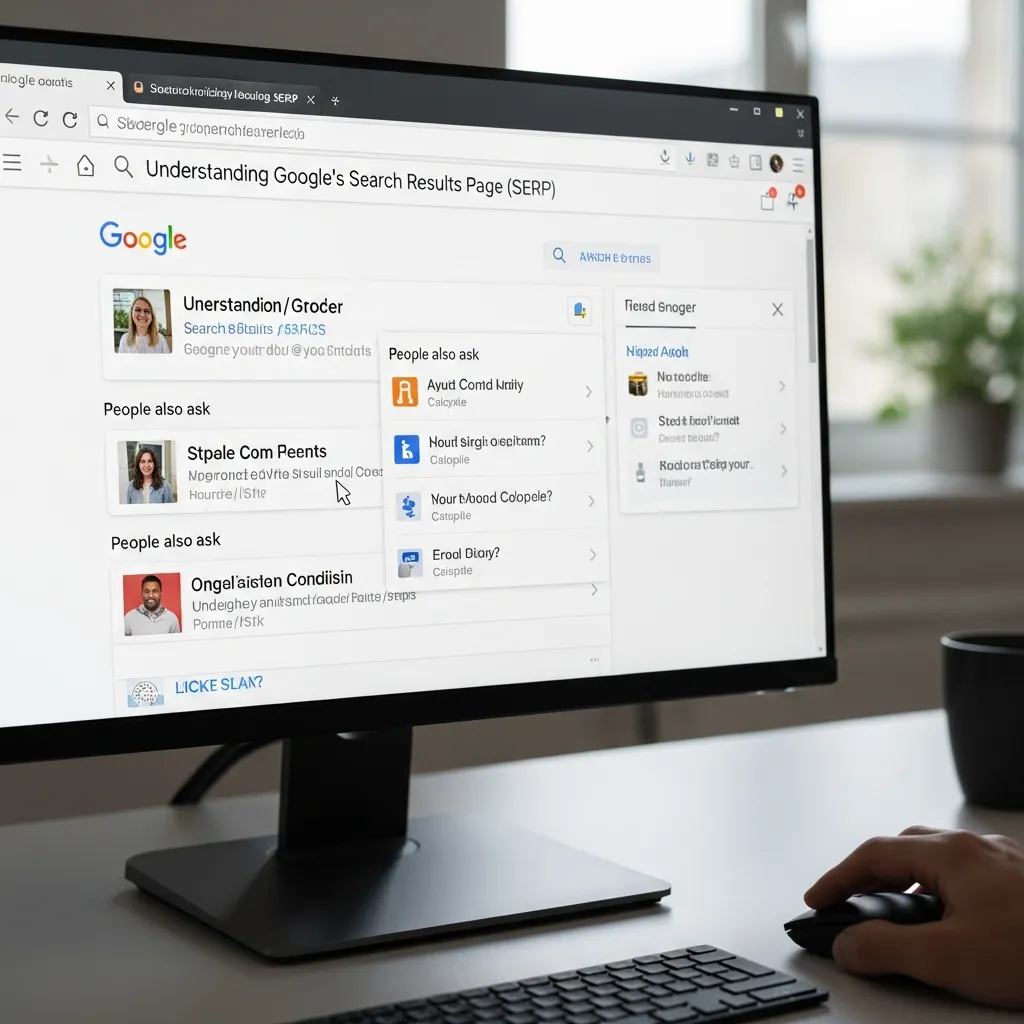 To successfully increase Google CTR, you must first understand the environment where your links live. The modern search results page is incredibly dynamic. It is no longer just a simple list of ten blue links.
Anatomy of a Modern SERP
Today, a search page contains many different elements competing for a user’s attention. Understanding these search engine results pages will help you find the best opportunities to stand out. At the top and bottom of the page, you will often find paid advertisements. These sponsored links look very similar to organic results, pushing organic links further down the screen.
Right below the ads, you might see a featured snippet. This is a highlighted box that directly answers the user’s query, extracting text from a relevant webpage. Other features include “People Also Ask” boxes, image carousels, local map packs, and video suggestions. Your organic link is competing with all of these visual elements. To increase Google CTR in this crowded space, your standard organic listings must be exceptionally clear and persuasive.
How Users Scan and Interact with Search Results
People do not read search results like a book. They scan the page rapidly, looking for specific words or visual cues that match their goal. Eye-tracking studies show that most users look at the top few results, scan the titles, glance at the descriptions, and make a split-second decision.
Users are searching for relevance and trust. If your title closely matches the exact phrase they typed, they are more likely to pause. If your meta description promises a clear, immediate solution, they are more likely to click. Because this scanning process happens so quickly, you must optimize every visible element of your search snippet to instantly communicate value.
On-Page Optimization for Increasing Google CTR
The most direct way to increase Google CTR is by optimizing the elements you can control directly on your website. These on-page factors dictate how your site appears to potential visitors in the search results. For a broader look at optimizing your pages, review a complete on-page SEO guide to ensure your technical foundation is strong.
Crafting Compelling Titles
Your title tag is the most prominent element of your search snippet. It is the large blue text that users click. If your title is boring, vague, or cut off by search engines, your click-through rate will suffer.
To increase Google CTR, your titles must be descriptive and engaging. Include your target keyword naturally, preferably near the beginning of the title. Use powerful, action-oriented words that spark curiosity or offer a clear benefit. Numbers and lists also perform exceptionally well. A title like “10 Ways to Increase Google CTR” is generally more clickable than “Guide to Click-Through Rates.” Keep your titles under 60 characters so they display fully without being truncated.
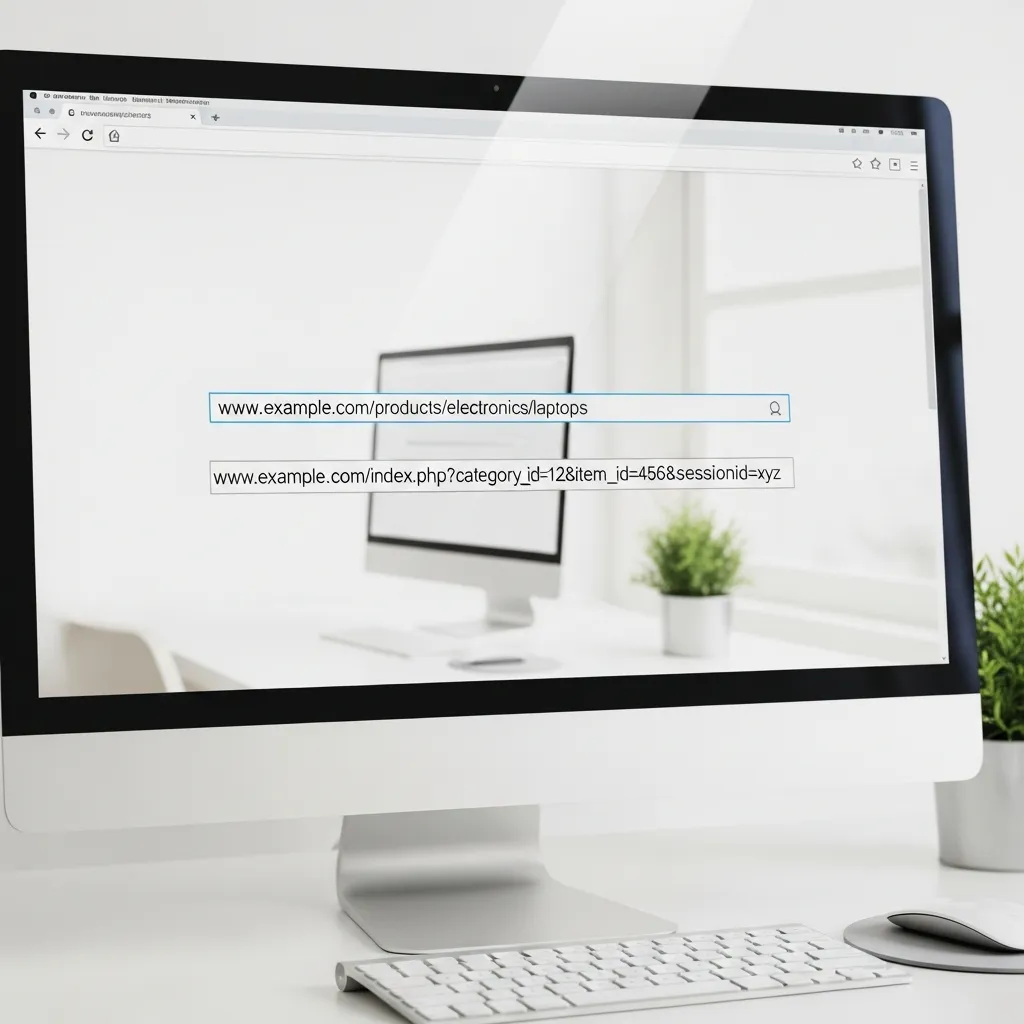 Users also pay attention to the URL displayed in the search snippet. A clean, readable URL builds trust and reassures users that the page is credible and relevant. On the other hand, URLs filled with random numbers, symbols, or unclear parameters often look unprofessional and may reduce click confidence.
Once you have mastered titles and descriptions, you can utilize advanced strategies to capture even more attention on the search engine results page.
Leveraging Structured Data and Rich Snippets
Structured data is a type of code you add to your website to help search engines understand your content better. Using vocabularies from Schema.org, you can enable rich snippets. These are enhanced search results that display extra information, such as star ratings, recipe cooking times, event dates, or product prices.
Rich snippets visually expand your search listing, making it much more noticeable than standard results. Implementing structured data for SEO is one of the most effective technical methods to increase Google CTR. When a user sees a five-star rating next to your link, they instantly perceive your page as more authoritative.
Optimizing for Featured Snippets
Securing the featured snippet at the top of the search results is a massive win for your click-through rate. To capture this “Position Zero,” you need to answer specific questions clearly and concisely within your content.
Identify common questions related to your primary keyword. Provide a direct, factual answer in a short paragraph, list, or table format. Search engines frequently pull these structured answers into the featured snippet box. Even though the user gets an immediate answer, a well-optimized snippet will encourage them to click through to your site for the full context.
Aligning with User Search Intent
You cannot trick a user into clicking if your content does not match what they actually want. Aligning your titles and descriptions with the user’s core motivation is critical. If a user wants to buy a product, your snippet should highlight pricing or free shipping. If they want to learn, your snippet should highlight a comprehensive tutorial. Reading a detailed search intent optimization guide will help you categorize keywords accurately. When your snippet perfectly matches the searcher’s intent, you will naturally increase Google CTR.
Testing and Refining Your Click-Through Rates
 SEO is an ongoing process of improvement. You must track your performance and test different variations to see what your audience responds to best.
Using Google Search Console for CTR Analysis
The best tool for monitoring your click-through rates is Google Search Console. This free platform provides exact data on how often your pages appear in search results and how many clicks they receive.
Filter your Search Console reports to find pages that rank well but have a lower-than-average click-through rate. These pages represent your biggest opportunities for growth. By identifying these underperforming pages, you know exactly where to focus your efforts to increase Google CTR.
A/B Testing Titles and Descriptions
Once you identify pages with low click-through rates, begin testing new titles and meta descriptions. Change one element at a time. For instance, update a title to include a number or a stronger power word. Leave the description the same. Monitor the results in Google Search Console over a few weeks. If the CTR improves, keep the new title. If it drops, revert to the old one or try a different variation. Continuous testing ensures you are always moving toward a higher click-through rate.
1. What is a good click-through rate on Google?
A “good” click-through rate depends heavily on your ranking position and industry. Generally, the first organic result receives a CTR between 25% and 30%. Results on the bottom of the first page might only see a 2% to 3% CTR. Your goal should always be to improve upon your current baseline.
2. Does click-through rate affect Google rankings?
Search engines use many signals to determine relevance. While algorithms are complex, a consistently high click-through rate indicates to search engines that users find your page valuable. This positive engagement signal can help sustain or improve your rankings over time.
3. How quickly will I see results after changing my titles?
Search engines need time to recrawl your pages and update their indexes. You might see your new titles in the search results within a few days, but it usually takes a few weeks of data collection to determine if the changes successfully helped increase Google CTR.
4. Are meta keywords still relevant for CTR?
No. Major search engines stopped using the meta keywords tag for ranking purposes many years ago. Focus your energy entirely on crafting excellent title tags and meta descriptions.
5. Can emojis be used to increase Google CTR?
Sometimes. Search engines occasionally display emojis in titles and descriptions if they are highly relevant to the query. They can draw the eye and increase clicks, but use them sparingly. Overusing emojis can make your site look unprofessional.
6. How can I improve my Google CTR quickly?
You can improve Google CTR quickly by rewriting compelling title tags, adding emotional or power words, improving meta descriptions, and matching search intent more accurately.
7. What factors most affect Google CTR?
The main factors include search ranking position, title relevance, meta description quality, URL structure, and the use of rich snippets like ratings or FAQs.
8. Do rich snippets help increase Google CTR?
Yes, rich snippets such as star ratings, FAQs, images, and schema markup make your listing more visible and attractive, which often leads to higher CTR.
9. Is keyword placement important for CTR?
Yes, placing the main keyword in the title, URL, and meta description helps improve relevance and increases the chances of getting more clicks.
10. Can improving CTR help my SEO ranking?
Yes, a higher CTR can improve engagement signals, which may positively influence your SEO performance and help maintain or improve search rankings over time.