


When people need answers, products, or services, they often turn to search engines. This simple action of “Googling” has turned SEO (Search Engine Optimization) into a critical strategy for businesses wanting to establish visibility online.
Whether you’re a seasoned marketer or a small business owner starting your digital presence, this guide is for you. We’ll explore what SEO is, why it’s crucial, and how you can use it to improve your search rankings and drive organic traffic. By the end, you’ll have the tools to master SEO and make it work for your business.
What is Search Engine Optimization (SEO)?
SEO refers to optimizing your website and content to rank higher in search engine results pages (SERPs) for specific queries. Unlike paid search methods like SEM (Search Engine Marketing), SEO focuses on organic traffic, which is free but highly competitive.
The goal? To make your website more visible to users searching for relevant information, products, or services. Key components of SEO include:
- Keywords: Understanding what terms and phrases your audience is searching for.
- Content: Creating and optimizing high-quality, relevant content.
- Technical SEO: Ensuring your site is crawlable, fast, and mobile-friendly.
- Backlinks: Earning links from other reputable sites as a vote of confidence for your content.
SEO is a long-term strategy, but when done right, the rewards are lasting and impactful.
Why is SEO Important?
Why should businesses invest in SEO? Here’s how it can transform your digital presence:
1. Enhanced Visibility and Traffic
If your website doesn’t rank on the first page of search results, it’s unlikely users will find you. SEO increases the likelihood of your site appearing for the queries your potential customers are searching for, driving consistent organic traffic.
2. Cost-Effective Marketing
Unlike PPC campaigns where you pay for each click, SEO allows ongoing traffic once your website ranks high. While it requires time and effort upfront, the benefits compound over time.
3. Improved User Experience (UX)
Google prioritizes websites that provide a great user experience. From fast-loading pages to mobile-friendly designs, optimizing for SEO often improves the overall usability of your site.
4. Builds Credibility and Trust
Users often perceive websites ranking at the top of the search results as more trustworthy and authoritative. By investing in SEO, you’re signaling your expertise and legitimacy to both search engines and users.
5. Competitive Advantage
Your competitors are likely already investing in SEO. By optimizing your website, you not only catch up with competitors but gain an edge in outranking them.
Key Elements of an Effective SEO Strategy
1. Keyword Research
Start with a thorough understanding of the search terms your audience is using. Use tools like Google Keyword Planner, SEMrush, or Ahrefs to:
- Identify high-volume, low-competition keywords.
- Focus on long-tail keywords (e.g., “affordable yoga mats in New York”).
- Analyze search intent to match your content with user needs.
Pro Tip: Diversify your keywords to include a mix of informational (e.g., “what is SEO”), navigational (“Google Keyword Planner”), and transactional (“buy hiking gear online”) terms.
2. Create High-Quality Content
Content is at the heart of SEO. Search engines evaluate your pages based on relevance and value to users. To succeed:
- Write content around your target keywords (naturally, no keyword stuffing).
- Include engaging headlines, subheadings, and visuals.
- Solve user problems with actionable information, tips, and examples.
- Maintain consistency with regular blog posts, guides, or videos.
Example: If you sell coffee machines, consider a blog post titled “How to Choose the Perfect Coffee Machine” that targets users in the consideration phase of their buying journey.
3. Optimize On-Page SEO
Ensure each page of your site is structured for SEO. Key components include:
- Meta titles and descriptions: Clear, concise summaries that include target keywords.
- Header tags (H1, H2, H3): Improve readability while helping search engines understand the structure.
- Alt text for images: Describe visual content to make your site more accessible.
- Internal linking: Guide users to additional pages on your site to keep them engaged.
4. Focus on Technical SEO
Technical SEO improves the underlying architecture of your site, ensuring it’s easily crawlable and error-free. Check for:
- Fast loading speeds: Use tools like Google PageSpeed Insights to diagnose issues.
- Mobile-friendliness: Ensure your site adapts perfectly to different devices.
- Crawlability: Submit an XML sitemap to search engines to help them discover your pages.
- HTTPS security: Websites with SSL certificates build trust and are prioritized by Google.
5. Earn and Build Backlinks
Backlinks are like votes of confidence from other websites. They signal to search engines that your content is authoritative. Earn quality backlinks by:
- Publishing original, valuable content.
- Guest blogging on reputable sites in your niche.
- Building strong relationships with industry influencers.
Pro Tip: Focus on quality over quantity. A few links from industry authorities outweigh dozens of low-quality ones.
6. Monitor and Adjust
SEO is a continuous process. Monitor progress with tools like Google Analytics and SEMrush to track:
- Organic traffic trends.
- Keyword rankings.
- Bounce rates and session duration.
Analyze your results to identify what’s working and where improvements are needed. Regularly update old content to keep it relevant and helpful.
Emerging Trends in SEO to Watch
To stay competitive, keep an eye on the following SEO trends:
- Voice Search Optimization: With smart speakers on the rise, optimize for conversational queries (e.g., “Where’s the nearest coffee shop?”).
- AI and Machine Learning: Search engines, especially Google, are increasingly powered by AI that interprets user intent beyond keywords.
- Featured Snippets: Position your content to answer specific queries directly in the search results.
- Video SEO: Platforms like YouTube are essential for engaging users. Create optimized video content around popular search terms in your niche.
Start Optimizing Today
Search Engine Optimization may seem challenging at first, but its potential to transform your digital presence is undeniable. From keyword research to technical tweaks and content creation, every action counts toward building your visibility over time.
Looking to master SEO or need help getting started? Bookmark this guide and take it one step at a time. By prioritizing a well-rounded SEO strategy, your business can enjoy long-lasting growth and a competitive edge in the online marketplace.
Understanding Search Intent and User Behavior
Modern SEO is no longer just about ranking for keywords. It’s about understanding why users search and what they expect to find. Search intent usually falls into informational, navigational, or transactional categories. By aligning content with intent, websites perform better organically. This is where semantic SEO plays a major role, helping search engines understand context instead of exact-match keywords. Businesses that rely only on paid traffic often miss this depth. Compared to SEO vs. paid ads, organic optimization builds stronger relevance over time. When content truly answers user questions, it improves dwell time, reduces bounce rates, and strengthens authority. Optimizing for intent also prepares websites for future trends like voice search SEO, where conversational queries dominate results.
Building Sustainable Growth with Long-Term Optimization
SEO is a long-term investment that compounds over time. Unlike short campaigns, organic strategies grow stronger with consistent effort. Many businesses choose monthly SEO packages to maintain steady progress without overwhelming internal teams. These packages usually include content updates, technical checks, and backlink monitoring. Compared to SEO vs. paid ads, this approach delivers lasting visibility even when ad budgets pause. A well-structured Search Engine Optimizationplan ensures that rankings improve gradually but remain stable. Over time, search engines reward consistency, relevance, and trust. This makes Search Engine Optimization a powerful foundation for sustainable digital growth, especially for businesses aiming to reduce long-term marketing costs.
The Role of Content Depth and Topical Authority
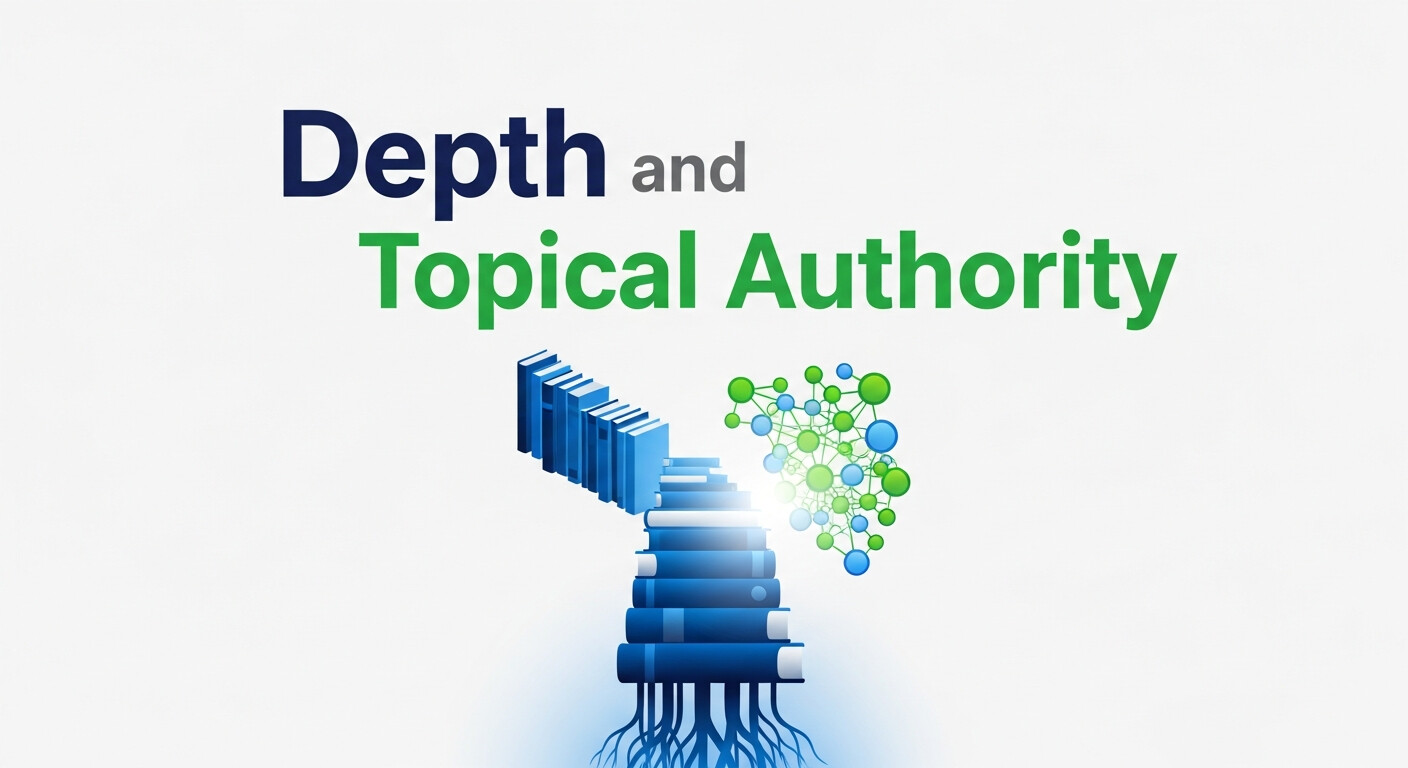
Search engines favor websites that demonstrate expertise across a topic, not just individual keywords. Creating in-depth content clusters helps establish authority and relevance. This strategy aligns closely with semantic SEO, where related concepts support each other. Businesses using monthly SEO packages often benefit from structured content planning that builds topical coverage over time. Unlike paid ads that stop delivering once budgets end, strong content keeps attracting users organically. When combined with internal linking and consistent updates, content depth improves crawlability and user engagement. This approach also supports voice search SEO, as comprehensive answers are more likely to be selected for spoken results.
Technical Foundations That Support Rankings
Behind every high-ranking website is a solid technical foundation. Fast loading speed, mobile optimization, secure HTTPS, and clean site architecture all influence search performance. These factors directly affect user experience and search engine crawl efficiency. Businesses comparing Search Engine Optimization vs. paid ads often overlook how technical issues silently block growth. Monthly SEO packages typically include regular audits to identify and fix these problems early. As search algorithms become more advanced, technical health plays a bigger role in rankings. A technically optimized site also improves accessibility and prepares content for emerging formats like voice search SEO and AI-driven results.
Authority Building Through Trust Signals
Search engines rely on trust signals to evaluate credibility. High-quality backlinks, brand mentions, and consistent content updates all contribute to authority. This process takes time but delivers strong long-term value. Compared to SEO vs. paid ads, authority-driven SEO creates durable rankings that competitors struggle to disrupt. Many businesses choose monthly Search Engine Optimization packages to steadily build backlinks without risking penalties. When combined with semantic Search Engine Optimization principles, authority signals help search engines understand relevance and expertise. Trusted websites are also more likely to appear in featured snippets and voice search SEO responses, increasing visibility beyond traditional rankings.
Local and Mobile Search Optimization
 Local searches and mobile usage dominate modern search behavior. Optimizing for local intent improves visibility for nearby customers and service-based businesses. Mobile-friendly design, fast pages, and clear location signals are essential ranking factors. Businesses evaluating SEO vs. paid ads often find local SEO more cost-effective over time. Monthly Search Engine Optimization packages frequently include local citation management and Google Business Profile optimization. As voice search SEO grows, local queries like “near me” become even more important. Websites optimized for mobile and local intent benefit from higher engagement, stronger conversions, and increased trust from search engines.
Data-Driven SEO Decision Making
SEO success depends on continuous measurement and refinement. Tools like Google Analytics and Search Console help track rankings, traffic, and user behavior. This data reveals what content performs best and where improvements are needed. Businesses using monthly SEO packages gain structured reporting that supports informed decisions. Unlike SEO vs. paid ads, organic performance improves through gradual optimization rather than instant spending. By applying semantic SEO insights, marketers can identify content gaps and expand coverage. Data-driven strategies also help optimize for voice search SEO by highlighting conversational queries and emerging trends.
Adapting to Algorithm and AI Changes
Search algorithms evolve constantly, driven by AI and machine learning. These updates prioritize relevance, context, and user satisfaction over keyword repetition. Semantic Search Engine Optimization plays a critical role in adapting to these changes. Businesses relying only on paid traffic often struggle when costs rise, highlighting differences in Search Engine Optimizationvs. paid ads. Monthly SEO packages help businesses stay aligned with algorithm updates through ongoing optimization. AI-driven search also fuels voice search SEO, making natural language content essential. Adapting early ensures stable rankings and protects long-term visibility.
Creating a Balanced Digital Marketing Strategy
The most successful businesses balance multiple digital channels. SEO provides the foundation, while paid ads can support short-term goals. Understanding SEO vs. paid ads helps businesses allocate budgets wisely. Monthly SEO packages offer predictable growth and long-term returns, reducing dependence on constant ad spend. By applying semantic SEO, content becomes more discoverable across search formats. As voice search Search Engine Optimization continues to grow, well-optimized content reaches users in new ways. A balanced strategy ensures visibility, authority, and consistent traffic in an increasingly competitive digital landscape.
Frequently Asked Questions (FAQ)
1. How long does SEO take to work?
SEO usually takes 3 to 6 months to show noticeable results. The timeline depends on competition, website quality, and consistency of optimization.
2. Is SEO better than paid advertising?
SEO vs. paid ads differs by goal. SEO offers long-term organic growth, while paid ads deliver immediate traffic but stop once the budget runs out.
3. Can small businesses benefit from SEO?
Yes. Search Engine Optimization helps small businesses increase online visibility, attract local customers, and compete with larger brands without high ad costs.
4. What are monthly SEO packages?
Monthly Search Engine Optimization packages include ongoing optimization, content updates, technical fixes, and performance tracking to support steady ranking growth.
5. What is semantic SEO?
Semantic SEO focuses on content relevance and user intent rather than exact keywords, helping search engines better understand context.
6. Why is voice search Search Engine Optimization important?
Voice search SEO is growing because users now search using natural, conversational phrases, especially on mobile and smart devices.
7. Is SEO a one-time process?
No. SEO is an ongoing strategy that requires regular updates, monitoring, and optimization to stay competitive.
8. What role does content play in Search Engine Optimization?
High-quality content helps answer user questions, improve engagement, and increase search rankings through relevance and authority.
9. How do backlinks affect Search Engine Optimization?
Backlinks act as trust signals from other websites, helping improve credibility, authority, and ranking potential.
10. Can Search Engine Optimizationand paid ads work together?
Yes. Combining Search Engine Optimizationand paid ads creates a balanced strategy, delivering both immediate visibility and long-term organic growth.