


AI and machine learning are transforming SEO by shifting focus from keywords to intent, personalization, and predictive insights. From intelligent keyword research and content optimization to real-time technical monitoring and advanced analytics, AI enables smarter, faster, and more ethical SEO strategies. Businesses that adopt AI-driven SEO early will gain sustainable rankings, higher engagement, and long-term growth.
Search engine optimization has entered a new era. No longer driven solely by keyword stuffing and backlinks, SEO today is powered by advanced artificial intelligence (AI) and machine learning (ML) algorithms that continually adapt to user behavior and search intent. Search engines now analyze how users interact with content, how long they stay on a page, and whether their needs are truly satisfied. To stay ahead and beyond, marketers must understand how these intelligent systems work and how to optimize their sites accordingly. This shift requires a deeper focus on content quality, relevance, user experience, and contextual understanding rather than outdated, mechanical tactics. SEO success now depends on aligning strategies with AI-driven ranking factors that prioritize value, intent matching, and long-term engagement.
Understanding AI and Machine Learning in Search

At its core, AI refers to the ability of machines to perform tasks that typically require human intelligence—such as pattern recognition, decision making, and language processing. Machine learning is a subset of AI in which algorithms learn from data over time, improving their accuracy without explicit programming. Learn more about Voice Search SEO.
Google’s RankBrain and BERT updates are prime examples. RankBrain uses ML to interpret ambiguous queries and deliver relevant results. BERT (Bidirectional Encoder Representations from Transformers) helps Google understand the context of words in a sentence, boosting the accuracy of natural language processing.
AI-Powered Keyword Research
Traditional keyword research relies on search volume and competition metrics. AI-driven tools, however, analyze user behavior, click-through rates, and semantic relationships to surface long-tail keywords and topic clusters that deliver higher intent traffic.
For example, an AI tool might identify that queries related to “best electric bikes for commuting 2024” often include comparisons, battery life concerns, and cost-benefit analyses. By grouping these related subtopics, you can build comprehensive content that satisfies diverse user intents and improves dwell time.
Intelligent Content Creation and Optimization
AI writing assistants can generate outlines, draft sections, and suggest on-page optimizations in real time. Machine learning models evaluate readability, topic coverage, and keyword density to ensure your content aligns with Google’s quality guidelines.
Key practices:
- Use AI for topic research: Identify trending questions and semantic terms to include in headings and body copy.
- Optimize readability: Leverage AI scoring tools to adjust sentence length, passive voice usage, and transition clarity.
- Automate meta tags: Draft title tags and meta descriptions that incorporate primary keywords and maintain proper length.
Technical SEO Meets Machine Learning
Technical SEO is no longer a one-time audit. ML algorithms monitor site performance, crawl errors, mobile responsiveness, and Core Web Vitals in real time. They can automatically detect anomalies—like a sudden spike in 404 errors or a drop in page speed—and trigger alerts for your DevOps or SEO team.
Implement these tactics:
- Real-time monitoring: Use AI-driven platforms to track page load times, server response, and mobile usability continuously.
- Automated schema deployment: ML tools can recommend and implement structured data markup based on page content to enhance rich results.
- Predictive link health: Leverage predictive analytics to forecast which external links may become broken or toxic over time.
Personalized User Experience and Engagement
AI excels at personalization. By analyzing user preferences, search history, and on-site behaviour, AI can dynamically tailor page elements—from product recommendations to article suggestions—boosting engagement metrics that matter for SEO, such as average session duration and pages per session.
Examples include:
- Dynamic content blocks: Show different headlines, images, or CTAs based on user segments.
- Internal link suggestions: AI tools recommend contextually relevant pages to keep visitors navigating deeper into your site.
- Chatbots and virtual assistants: Provide real-time answers and guide users to relevant resources, reducing bounce rates.
Advanced Analytics and Reporting
Machine learning transforms raw data into actionable insights. AI-powered analytics platforms can automatically identify trends, anomalies, and correlations across traffic sources, user segments, and conversion pathways—allowing you to optimize campaigns faster than ever.
Key benefits:
- Anomaly detection: Instantly spot traffic dips or spikes and investigate root causes.
- Predictive forecasts: Project future traffic and revenue based on historic performance and seasonal patterns.
- Automated reporting: Schedule AI-generated reports with narrative insights that highlight key wins and opportunities.
Ethical Considerations and Best Practices
With great power comes great responsibility. AI and ML models reflect the data they’re trained on. To maintain trust and comply with evolving regulations, adhere to these guidelines:
- Data privacy: Ensure user data is anonymized and handled according to GDPR, CCPA, and other local laws.
- Transparency: Disclose when AI-generated content or recommendations are served.
- Bias mitigation: Regularly audit ML models for unintended biases that could harm user experience or brand reputation.
Preparing Your SEO Strategy for the AI Era
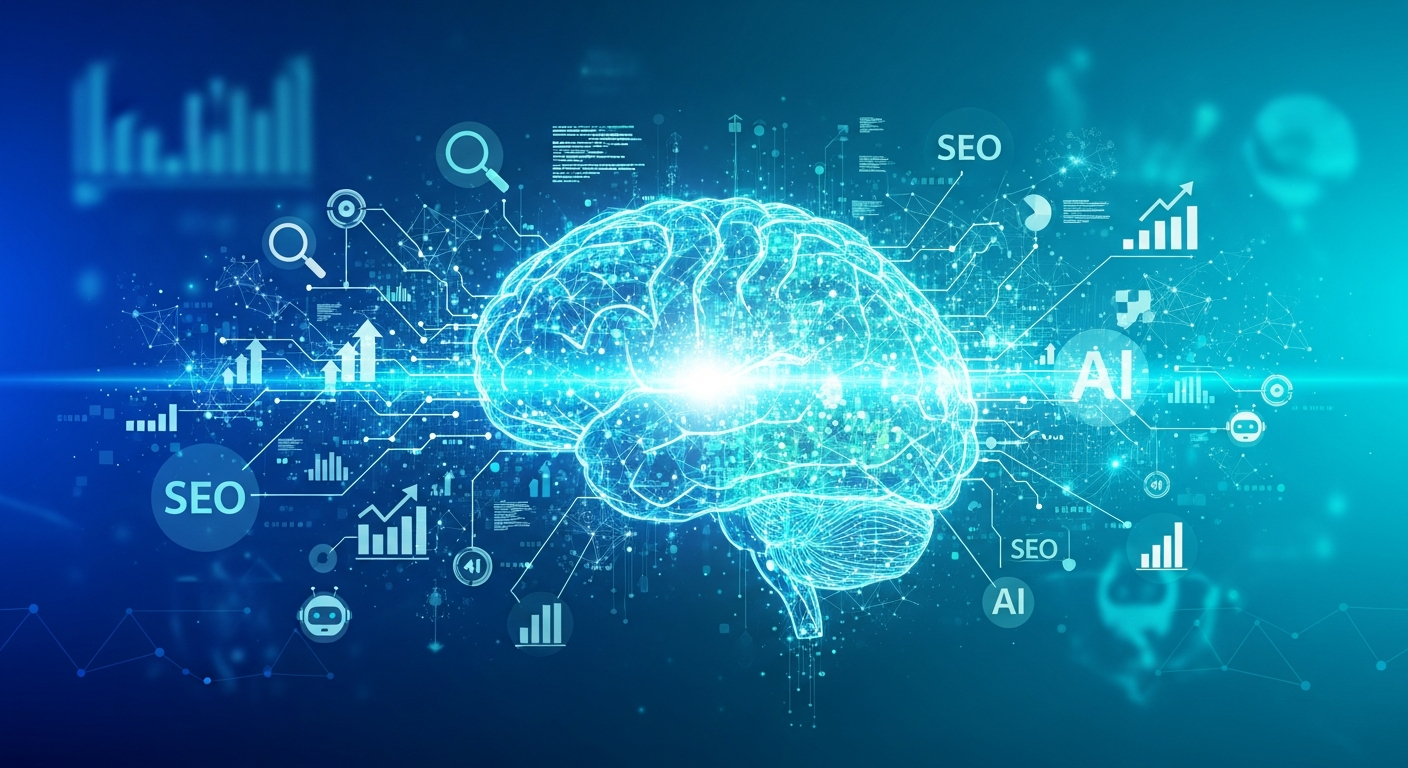
To thrive in an AI-driven SEO landscape, adopt a mindset of continuous learning and experimentation. Here’s a roadmap:
- Audit your tech stack: Identify gaps in AI capabilities and evaluate tools that integrate ML for keyword research, content optimization, and analytics.
- Invest in training: Upskill your team on AI fundamentals, prompt engineering, and data ethics.
- Test and iterate: Run controlled experiments on AI-generated content and personalization tactics. Measure impact before scaling.
Collaborate with AI vendors: Provide feedback loops to ensure the algorithms evolve in line with your business goals.
How AI Improves Search Intent Understanding
Search intent has become the foundation of modern SEO, and AI plays a critical role in interpreting it accurately. Instead of matching exact keywords, AI analyzes context, phrasing, and user behavior to determine what searchers truly want. For example, AI can differentiate whether a user searching “AI SEO tools” wants comparisons, pricing, tutorials, or reviews. This allows search engines to serve more relevant results. For marketers, this means content must be intent-focused rather than keyword-heavy. Creating pages that answer questions comprehensively, address pain points, and guide users naturally aligns with AI-driven ranking systems. Intent optimization improves engagement, satisfaction, and long-term visibility.
AI-Driven Content Gap Analysis
AI-powered content gap analysis helps identify missed ranking opportunities by analyzing competitors, SERPs, and user expectations. Instead of manually reviewing dozens of pages, AI tools evaluate topic coverage, semantic relevance, and unanswered questions within your niche. They highlight missing subtopics, weak content areas, and opportunities for expansion. This allows marketers to create more comprehensive and authoritative content clusters. By filling these gaps, websites can improve topical authority and outperform competitors. AI-driven gap analysis also helps prioritize content updates, ensuring resources are allocated efficiently for maximum SEO impact.
Predictive SEO and Traffic Forecasting
One of AI’s most powerful advantages is predictive analysis. Machine learning models analyze historical data, seasonality, search trends, and user behavior to forecast future traffic and ranking opportunities. Predictive SEO helps marketers anticipate algorithm changes, traffic drops, or rising keyword demand before they happen. This proactive approach allows brands to publish content earlier, optimize ahead of competitors, and allocate budgets more effectively. Predictive insights also support business planning by estimating revenue potential from organic search. Instead of reacting to changes, AI enables forward-thinking SEO strategies.
AI in Voice and Conversational Search Optimization
Voice search and conversational queries continue to grow, driven by smart devices and virtual assistants. AI enables search engines to process natural language, long-tail questions, and conversational phrasing more accurately. Optimizing for this requires content that mirrors how people speak, not just how they type. AI tools help identify conversational keywords, question-based queries, and voice-friendly structures. Using FAQs, structured data, and concise answers improves visibility in voice results and featured snippets. As voice search adoption increases, AI-powered conversational SEO becomes a competitive advantage.
Automated SEO Testing and Experimentation
AI simplifies SEO experimentation by automating A/B testing and performance analysis. Instead of manually testing page titles, layouts, or internal links, AI tools run controlled experiments and analyze results at scale. They can determine which variations improve click-through rates, dwell time, or conversions. Automated testing accelerates optimization cycles and reduces guesswork. Over time, machine learning models learn which changes consistently produce positive outcomes. This data-driven experimentation allows SEO teams to optimize continuously while minimizing risk and maximizing measurable results.
AI and Content Freshness Optimization
Content freshness is an important ranking factor, especially for competitive and fast-changing topics. AI tools monitor SERPs, competitor updates, and content performance to identify when pages need refreshing. They can recommend updates such as adding new statistics, expanding sections, or adjusting outdated keywords. AI-driven freshness optimization ensures your content remains relevant and competitive without constant manual reviews. Regularly refreshed content improves rankings, engagement, and trust signals. This approach supports long-term SEO success while reducing maintenance effort.
Balancing Automation and Human Expertise in SEO

While AI automates analysis and optimization, human expertise remains essential. Strategic thinking, brand voice, ethical decision-making, and creative storytelling cannot be fully automated. The most successful SEO strategies combine AI efficiency with human insight, ensuring that data-driven decisions never lose sight of real audience needs and business objectives.
SEO professionals play a critical role in guiding AI tools with clear goals, interpreting insights in context, and validating recommendations before implementation. Human oversight ensures that automation supports long-term strategy rather than short-term gains. Experts also safeguard originality, tone, and trust—elements that algorithms cannot fully replicate.
This balance prevents over-automation and maintains authenticity across content and technical optimization. AI should enhance human decision-making—not replace it. When used collaboratively, AI and humans create scalable, ethical, and high-performing SEO strategies that adapt to evolving search behavior while preserving brand credibility and user trust.
Conclusion
The fusion of AI and machine learning with SEO heralds a new chapter—one defined by data-driven personalization, automated optimization, and predictive insights. By embracing these technologies ethically and strategically, you’ll unlock powerful new pathways to higher rankings, increased engagement, and sustainable growth in the years ahead.
Start experimenting today: integrate AI tools into your keyword research, content creation, and analytics workflows. The future of search is intelligent—and those who adapt early will reap the greatest rewards.
Frequently Asked Questions (FAQ)
1. How does AI change modern SEO?
AI improves SEO by understanding search intent, user behavior, and content quality more accurately than traditional keyword-based systems. It focuses on delivering the most relevant and helpful results rather than matching exact phrases.
2. What is the role of machine learning in Google Search?
Machine learning helps Google refine rankings by learning from user interactions, such as clicks, dwell time, and engagement patterns, allowing search results to improve continuously over time.
3. Are AI-generated contents safe for SEO?
Yes, if the content is high-quality, original, and genuinely helpful. Google prioritizes value and relevance for users, regardless of whether content is created by humans or AI.
4. Can AI replace human SEO experts?
No. AI enhances efficiency and data analysis, but strategic thinking, creativity, emotional intelligence, and ethical decision-making still require human expertise.
5. How does AI improve keyword research?
AI identifies semantic relationships, search intent, and long-tail keyword opportunities by analyzing patterns in user behavior rather than relying only on search volume data.
6. What SEO metrics are influenced by AI-driven UX?
Metrics such as dwell time, bounce rate, pages per session, and overall engagement are strongly influenced by AI-powered personalization and experience optimization.
7. Is AI-based SEO expensive for small businesses?
Not necessarily. Many affordable and scalable AI SEO tools are available, making advanced optimization accessible for small and mid-sized businesses.
8. How does AI help with content optimization?
AI analyzes readability, topic coverage, keyword placement, and user intent to suggest improvements that align content with search engine quality standards.
9. Does AI affect technical SEO?
Yes. AI tools can monitor site health, detect crawl errors, analyze Core Web Vitals, and predict technical issues before they impact rankings.
10. How does AI influence search intent matching?
AI enables search engines to interpret conversational queries, context, and user goals, ensuring results match what users actually want—not just what they type.
11. Will AI-driven SEO continue to evolve?
Absolutely. As search engines gather more behavioral data and improve learning models, AI-driven SEO will become more adaptive, personalized, and predictive over time.


I’m a seasoned mobile marketing strategist helping businesses engage customers through mobile-first campaigns. Specializing in SMS marketing, app optimization, and user engagement, I create strategies that drive conversions and foster lasting relationships.












No Comments