


Affordable SEO helps small businesses compete with larger brands through smart, cost-effective strategies. By focusing on local SEO, long-tail keywords, technical optimization, and quality content, businesses can drive consistent organic traffic and leads. With realistic expectations and continuous improvement, affordable SEO delivers long-term growth without large marketing budgets.
Small businesses face a unique challenge: how do you compete with larger companies that have massive marketing budgets? The answer lies in smart, affordable SEO strategies that level the playing field. This comprehensive guide will show you how to find and implement cost-effective SEO solutions that drive real results for your business.
Understanding Small Business SEO Needs

Why Small Businesses Need Different SEO Approaches
Small businesses operate under different constraints than large corporations. Limited budgets, smaller teams, and local market focus require tailored SEO strategies that maximize impact while minimizing costs.
Unlike enterprise companies that can afford to target highly competitive national keywords, small businesses often achieve better results by focusing on local SEO and long-tail keywords with lower competition but higher conversion potential.
The key is finding affordable SEO services that understand these unique challenges and can deliver measurable results within your budget constraints.
The Real Cost of Ignoring SEO
Many small business owners view SEO as an optional expense rather than a necessary investment. This mindset can be costly. Studies show that 68% of online experiences begin with a search engine, and 53% of website traffic comes from organic search.
Small businesses that neglect SEO are essentially invisible to potential customers actively searching for their products or services. Meanwhile, competitors investing in SEO are capturing this valuable traffic and growing their market share.
The good news is that effective SEO doesn’t require massive budgets. Smart, focused strategies can deliver significant returns even with limited resources.
What Makes SEO Services Affordable
Understanding SEO Pricing Models
SEO services typically follow several pricing models, each with different cost implications for small businesses:
Monthly Retainer Models range from $500 to $5,000 per month, depending on the scope of services. For small businesses, look for packages in the $500-$1,500 range that focus on essential SEO elements.
Project-Based Pricing works well for specific goals like website audits, keyword research, or content creation. These typically cost $1,000-$7,500 depending on project complexity.
Hourly Consulting rates usually range from $75-$200 per hour. This model works best for businesses that need guidance but plan to implement SEO strategies in-house.
Performance-Based Pricing ties costs to results, but be cautious of providers making unrealistic promises about rankings or traffic increases.
Essential vs. Nice-to-Have SEO Services
Affordable SEO means focusing on services that deliver the biggest impact for your investment:
Essential Services include keyword research, on-page optimization, technical SEO fixes, local SEO setup, and basic link building. These form the foundation of any successful SEO strategy.
Nice-to-Have Services include advanced analytics, competitor analysis, and extensive content creation. While valuable, these can be added later as your budget allows.
The most affordable SEO services for small businesses prioritize essentials first, then gradually expand services as results demonstrate ROI.
Finding the Right Affordable SEO Provider
Red Flags to Avoid
The SEO industry unfortunately includes providers who make unrealistic promises to win business from budget-conscious small businesses. Watch out for these warning signs:
Providers guaranteeing first-page rankings within 30 days are almost certainly using black-hat techniques that will harm your website long-term. Google’s algorithm is too complex for anyone to guarantee specific rankings.
Extremely low prices (under $300/month) often indicate low-quality services or overseas providers who don’t understand local market dynamics.
Providers who won’t explain their strategies or provide regular reporting are likely using questionable tactics or delivering minimal value.
Questions to Ask Potential SEO Providers
Before hiring an affordable SEO service, ask these critical questions:
“What specific strategies will you use for my business?” Look for providers who discuss keyword research, content optimization, and local SEO strategies relevant to your industry.
“How do you measure and report results?” Effective providers should track rankings, organic traffic, and conversions, not just vanity metrics.
“Can you provide case studies from similar businesses?” Providers experienced with small businesses should have relevant success stories to share.
“What’s included in your service package?” Ensure you understand exactly what services you’re paying for and what additional costs might arise.
Local vs. National SEO Agencies
Small businesses often achieve better results working with local SEO agencies rather than large national firms. Local agencies typically offer more personalized service and better understand local market dynamics.
Local agencies often provide more affordable pricing since they have lower overhead costs than large national firms. They’re also more likely to offer flexible service packages that match small business budgets.
However, don’t discount national agencies entirely. Some specialize in small business SEO and can offer competitive pricing due to their scale and efficiency.
DIY SEO vs. Professional Services
When DIY SEO Makes Sense
Small businesses with extremely limited budgets can achieve some SEO success through DIY efforts, particularly for basic tasks like:
Keyword research using free tools like Google Keyword Planner and Ubersuggest can help identify target keywords for your business.
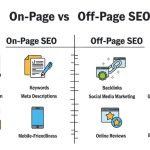
Basic on-page optimization including title tags, meta descriptions, and header tags can be implemented with minimal technical knowledge.
Creating quality content around your target keywords helps establish authority and attract organic traffic.
Setting up and optimizing Google My Business listings is crucial for local SEO and can be done without professional help.
When Professional Help Is Worth the Investment

While DIY SEO can provide some benefits, professional services become valuable when:
Technical SEO issues require specialized knowledge to diagnose and fix. Problems like site speed, mobile optimization, and crawl errors can significantly impact rankings.
Link building requires relationships and expertise that most small business owners lack. Quality link building is time-intensive and requires understanding of what constitutes valuable links.
Competitive markets make it difficult to rank without professional-level strategies and execution.
Time constraints prevent business owners from consistently implementing SEO best practices.
Hybrid Approaches
Many small businesses find success with hybrid approaches that combine DIY efforts with targeted professional services:
Hire professionals for initial strategy development and technical setup, then handle ongoing content creation and basic optimization in-house.
Use monthly consulting services where professionals provide guidance and strategic direction while you handle implementation.
Invest in professional services for specific projects like website audits or link building campaigns while managing day-to-day SEO activities yourself.
Maximizing ROI from Affordable SEO Services
Setting Realistic Expectations
Affordable SEO services require realistic expectations about timeline and results. SEO is a long-term strategy that typically takes 3-6 months to show significant results.
Small businesses should expect gradual improvements rather than dramatic overnight changes. Focus on sustainable growth in organic traffic, local visibility, and lead generation rather than chasing specific ranking positions.
Budget constraints mean affordable SEO services will progress more slowly than premium options, but consistent effort over time still delivers substantial results.
Tracking and Measuring Success
Effective measurement helps ensure your affordable SEO investment delivers value:
Google Analytics provides free insights into organic traffic, user behavior, and conversion tracking. Set up goals to track leads and sales from organic search.
Google Search Console shows which keywords drive traffic to your site and identifies technical issues that might impact rankings.
Local SEO Metrics include Google My Business views, calls, and direction requests for businesses with physical locations.
Conversion Tracking measures how SEO traffic translates into actual business results like phone calls, form submissions, or sales.
Regular reporting helps identify what’s working and where adjustments might improve results.
Common Mistakes That Waste SEO Budgets
Small businesses often make costly mistakes that reduce SEO effectiveness:
Targeting keywords that are too competitive wastes budget on strategies unlikely to succeed. Focus on long-tail keywords and local variations where you can realistically compete.
Neglecting mobile optimization loses traffic since most searches now happen on mobile devices.
Creating low-quality content to meet quantity goals rather than focusing on valuable, relevant content that serves user needs.
Ignoring local SEO opportunities when most small businesses rely heavily on local customers.
Changing strategies too frequently prevents any approach from having time to show results.
Building Long-Term SEO Success
Developing Internal SEO Capabilities
The most cost-effective long-term approach combines affordable professional services with internal capability development:
Train team members on basic SEO principles so they can contribute to content creation and optimization efforts.
Develop processes for consistent SEO implementation across all marketing activities.
Stay updated on SEO best practices through industry blogs, webinars, and training resources.
Scaling SEO Efforts Over Time
Start with affordable SEO services that focus on fundamentals, then gradually expand as results demonstrate ROI:
Phase 1: Focus on technical SEO fixes, keyword research, and basic on-page optimization.
Phase 2: Add content creation, local SEO optimization, and basic link building.
Phase 3: Expand to advanced strategies like competitor analysis, advanced content marketing, and sophisticated link building campaigns.
This phased approach allows small businesses to grow their SEO investment alongside business growth and proven results.
Making SEO Investment Decisions

Affordable SEO services offer small businesses a realistic path to compete online without breaking the bank. The key is finding providers who understand small business constraints and can deliver focused strategies that maximize impact within budget limitations.
Success requires realistic expectations, consistent effort, and a focus on fundamental SEO practices rather than trying to compete with large corporations on their terms. Small businesses that invest in affordable SEO services while building internal capabilities position themselves for sustainable long-term growth.
Start by identifying your specific SEO needs and budget constraints. Then research potential providers carefully, focusing on those with experience serving small businesses in your industry. Remember that the cheapest option isn’t always the most affordable in the long run—focus on providers who offer the best value for your specific situation.
With the right affordable SEO services and realistic expectations, small businesses can achieve significant improvements in online visibility, traffic, and lead generation that drive real business growth.
Conclusion
Affordable SEO gives small businesses a powerful way to compete online without overspending. By focusing on local SEO, long-tail keywords, technical optimization, and quality content, businesses can achieve sustainable growth. Success depends on realistic expectations, consistent execution, and smart prioritization. With the right strategy and partner, affordable SEO becomes a long-term investment that drives visibility, leads, and revenue.
FAQs
1. What is affordable SEO for small businesses?
Affordable SEO focuses on cost-effective strategies that help small businesses improve online visibility without requiring large marketing budgets. It prioritizes high-impact activities such as local SEO, long-tail keyword targeting, on-page optimization, and technical fixes that deliver measurable results. Rather than competing with large brands on expensive keywords, affordable SEO targets achievable opportunities that generate qualified traffic, leads, and sales while maintaining long-term sustainability.
2. How long does SEO take to show results?
SEO typically takes 3–6 months to show noticeable improvements, though timelines vary based on competition, website condition, and consistency. Early results may include improved indexing, better rankings for low-competition keywords, and increased organic impressions. Long-term growth comes from continuous optimization, content development, and authority building. SEO is a long-term investment, not a quick fix.
3. Is local SEO necessary for small businesses?
Yes, local SEO is essential for small businesses that rely on nearby customers. It helps businesses appear in local search results, Google Maps, and “near me” searches. Optimizing Google Business Profiles, local citations, reviews, and location-based keywords increases visibility to high-intent users who are ready to take action, making local SEO one of the highest-ROI strategies.
4. Can small businesses do SEO themselves?
Small businesses can handle basic SEO tasks such as keyword research, content updates, on-page optimization, and Google Business Profile management. However, advanced areas like technical SEO, link building, and competitive analysis often require professional expertise. A hybrid approach—DIY basics with professional support for complex tasks—is often the most cost-effective solution.
5. Are cheap SEO services risky?
Yes, extremely cheap SEO services are often risky because they may use black-hat tactics such as spammy backlinks, keyword stuffing, or automated content. These practices can lead to search engine penalties and long-term damage. Affordable SEO should focus on value and ethical strategies rather than the lowest possible price.
6. What keywords should small businesses target?
Small businesses should target long-tail and local keywords with clear user intent and lower competition. These keywords attract users who are closer to making a purchase and are easier to rank for. Instead of broad terms, focusing on service-based, location-specific, and problem-solving keywords delivers higher conversion rates and better ROI.
7. Is content still important for SEO?
Yes, content remains one of the most important ranking factors. High-quality, relevant content helps search engines understand your website and builds trust with users. Blog posts, service pages, FAQs, and guides that answer real customer questions improve visibility, engagement, and conversions. Quality content also supports link building and long-term organic growth.
8. How do backlinks help SEO?
Backlinks act as trust signals for search engines, indicating that your website is credible and authoritative. High-quality backlinks from relevant and reputable websites improve rankings and domain authority. For small businesses, ethical link-building methods such as local directories, partnerships, guest blogging, and digital PR are effective and budget-friendly options.
9. What tools are essential for SEO tracking?
Google Analytics and Google Search Console are essential free tools for tracking SEO performance. Google Analytics provides insights into traffic, behavior, and conversions, while Search Console helps monitor keyword performance, indexing issues, and technical errors. Together, they allow small businesses to measure progress, identify problems, and optimize strategies effectively.
10. Should SEO be ongoing?
Yes, SEO should be an ongoing process. Search engine algorithms, competitors, and user behavior constantly change. Continuous optimization ensures rankings remain stable, content stays relevant, and technical issues are resolved promptly. Ongoing SEO helps businesses adapt to market changes and maintain long-term visibility and growth.
11. Does mobile optimization matter?
Absolutely. Most searches now happen on mobile devices, and search engines prioritize mobile-friendly websites. Mobile optimization improves user experience, page speed, and engagement while reducing bounce rates. A mobile-optimized site is essential for both rankings and conversions, especially for local and service-based businesses.
12. How do I choose an SEO provider?
Choose an SEO provider based on transparency, experience, proven results, and realistic expectations. Look for clear communication, detailed reporting, ethical strategies, and experience working with small businesses. The right provider focuses on long-term growth, not quick wins, and aligns SEO efforts with your business goals and budget.


I’m a seasoned mobile marketing strategist helping businesses engage customers through mobile-first campaigns. Specializing in SMS marketing, app optimization, and user engagement, I create strategies that drive conversions and foster lasting relationships.















No Comments