


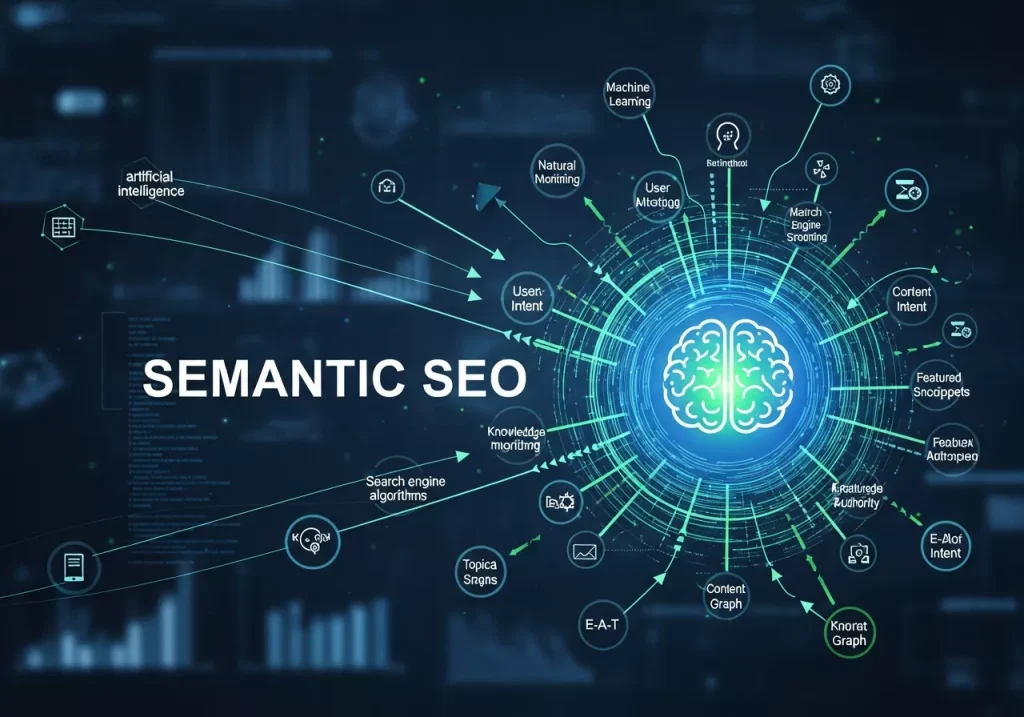
Semantic SEO focuses on user intent and contextual relevance rather than just keywords. By using topic clusters, LSI keywords, internal linking, and schema markup, websites can improve search engine understanding, enhance user experience, earn rich snippets, and boost rankings. Strategic implementation drives sustainable traffic, engagement, and authority.
In an era where search engines understand user intent rather than just matching keywords, semantic SEO has become essential for online success. By focusing on the meaning behind search queries and structuring content around interconnected topics, website owners can improve relevance, enhance user experience, and secure higher search rankings. This comprehensive guide explores the core principles of semantic SEO, covering topic clusters, latent semantic indexing keywords, schema markup, and practical steps to implement a robust semantic strategy. Whether you are a seasoned SEO professional or a business owner looking to elevate your content, mastering semantic SEO will offer a competitive edge in today’s dynamic digital landscape.
What is Semantic SEO?

Semantic SEO is an approach that emphasizes the context and intent behind search queries instead of relying solely on individual keywords. By analyzing how terms relate to each other within a topic, search engines can deliver more accurate and relevant results. This method leverages natural language processing and machine learning algorithms to interpret user intent, recognize entities, and evaluate content relevance. As a result, websites optimized with semantic SEO stand a better chance of appearing in rich search results, knowledge panels, and voice assistant answers, driving both visibility and authority.
Additionally, semantic SEO helps create content that aligns more closely with how users naturally ask questions, improving the chances of matching long-tail queries and conversational searches. It supports the development of comprehensive topic coverage, ensuring that related subtopics and questions are addressed, which can lead to enhanced user engagement, longer time on site, and increased trustworthiness. Over time, consistently applying semantic SEO principles not only boosts organic rankings but also strengthens your website’s topical authority, encouraging search engines to view your domain as a reliable source within its niche. This approach is especially effective in an era where search engines aim to understand meaning, context, and user intent, rather than simply matching isolated keywords. Moreover, semantic SEO can improve the performance of content across multiple platforms, including web search, mobile search, voice assistants, and even AI-driven recommendation engines, making it a versatile strategy for long-term digital visibility and brand credibility. Learn more about Master Keyword Research for SEO.
Why Semantic SEO Matters
Traditional SEO practices such as exact-match keyword optimization are no longer sufficient to capture user attention or achieve sustainable rankings. Modern search engines evaluate factors like topical relevance, user engagement, and content structure to determine ranking positions. Semantic SEO helps search engines understand the relationships between concepts, enabling them to match users with content that truly satisfies their queries. Implementing semantic SEO leads to improved click-through rates, lower bounce rates, and increased dwell time—key signals that further boost search performance.
Moreover, semantic SEO enhances the overall user experience by providing content that aligns with user intent rather than just matching search terms. By covering related subtopics and anticipating questions, websites become more comprehensive resources, which can foster trust and authority in a particular niche. This approach also supports emerging search technologies, including voice search and AI-powered recommendations, where understanding context and intent is crucial. In addition, semantic SEO helps differentiate your content in competitive markets, making it easier for search engines to recognize your site as a relevant and authoritative source. Over time, adopting semantic
Core Components of Semantic SEO

Topic Clusters
A topic cluster model organizes content around a central pillar page that provides a broad overview of a subject. Surrounding this pillar are cluster pages that delve into specific subtopics, all interlinked to reinforce contextual relevance. This structure not only simplifies site navigation but also signals semantic relationships to search engines, improving the authority of both pillar and cluster pages. By focusing on thematic clusters, you can cover a subject comprehensively and capture related search queries more effectively.
Additionally, topic clusters encourage a more strategic content creation approach. Each cluster page can target long-tail keywords and answer specific user questions while maintaining a clear connection to the main pillar topic. This interconnected structure enhances internal linking, distributes link equity, and guides users through a logical journey across your website. By mapping content this way, you also identify gaps in coverage and can create new pages to address emerging topics, staying ahead of competitors. Topic clusters ultimately build topical authority, signal expertise to search engines, and improve overall site relevance in search results.
LSI Keywords
Schema Markup & Structured Data
Schema markup is a form of structured data that provides explicit clues about the meaning of your content to search engines. By using standardized vocabularies such as schema.org, you can label elements like articles, reviews, events, and product information. Structured data improves the likelihood of appearing in rich snippets, knowledge graphs, and other enhanced search features, thereby increasing click-through rates and brand visibility.
How to Implement Semantic SEO
1. Conduct Comprehensive Keyword Research
Begin by identifying core topics relevant to your business or industry. Use tools like Google Keyword Planner, Ahrefs, and SEMrush to uncover primary and related keywords. Analyze search intent behind queries and group keywords by topic. Look for long-tail phrases and questions that reveal user needs, and compile a list of LSI terms that support each primary keyword.
2. Develop Pillar Content and Topic Clusters
Create a detailed pillar page that covers a broad subject area in depth. Then plan cluster pages that explore individual facets of this topic. Ensure that each cluster page links back to the pillar page and vice versa. This internal linking structure distributes page authority and highlights semantic connections, signaling to search engines that your site offers comprehensive coverage of the topic.
3. Optimize On-Page Elements
Incorporate your primary keyword and LSI terms naturally in title tags, headers, and meta descriptions. Ensure content readability by using clear headings, bullet lists, and visuals. Optimize images with descriptive alt tags and file names that reflect topic relevance. Structure your content logically to enhance user experience and facilitate easier indexing by search crawlers.
4. Implement Schema Markup
Choose the appropriate schema types for your content, such as Article, FAQ, or LocalBusiness. Add structured data markup in JSON-LD format within the head of your HTML document. Validate your markup using the Rich Results Test tool to ensure compliance. Proper schema implementation can unlock rich search features, providing additional context to users directly in search results.
5. Internal Linking Strategy
Internal links are vital for establishing semantic relationships between pages. Ensure that your pillar page links to each cluster page and include contextual links within cluster pages back to the pillar. Use descriptive anchor text that reflects the topic or keyword focus, reinforcing semantic themes and guiding users through your content hierarchy.
Essential Tools for Semantic SEO

Utilizing the right tools can streamline your semantic SEO efforts. Consider tools such as:
- Ahrefs or SEMrush for comprehensive keyword research and topic discovery.
- Google Search Console to monitor performance and identify indexing issues.
- LSIGraph or Clearscope for generating related semantic keywords.
- Schema Markup Generator by Merkle for creating structured data.
- Surfer SEO for content optimization based on semantic analysis.
Measuring Success with Semantic SEO
Track progress by analyzing key metrics that reflect semantic optimization impact. Focus on improvements in organic impressions, click-through rates, average position, and time on page. Monitor the appearance of rich snippets and featured snippets in search results. Additionally, evaluate user engagement metrics and conversion rates to assess how well your content meets audience needs and business goals.
Advanced Semantic SEO Strategies
To take your semantic SEO to the next level, explore techniques such as natural language processing to refine content relevance, creating question and answer sections optimized for voice search, and leveraging knowledge graph optimization to associate your brand with key industry entities. Collaborate with subject matter experts to produce in-depth whitepapers and research studies that attract high-quality backlinks and further establish topical authority.
Common Pitfalls to Avoid
While implementing semantic SEO, avoid overstuffing content with related keywords, which can harm readability and user experience. Do not neglect content quality in pursuit of topic coverage. Ensure that your internal linking structure remains user-friendly and does not confuse visitors. Finally, regularly audit your schema markup to fix errors and maintain technical compliance.
Conclusion
Semantic SEO represents the future of search optimization by aligning content creation with user intent and search engine intelligence. By adopting a topic cluster approach, integrating LSI keywords, and utilizing schema markup, you can build a robust SEO strategy that drives sustainable organic growth. Start applying these principles today to enhance your site’s authority, visibility, and user engagement, and stay ahead of the competition in the evolving search landscape.
FAQ: Semantic SEO
Q1: What is semantic SEO?
Semantic SEO optimizes content for meaning and context, helping search engines understand user intent and relationships between topics rather than relying solely on exact keywords.
Q2: Why is semantic SEO important?
It improves search relevance, user engagement, dwell time, and click-through rates, enabling sites to appear in rich results and knowledge panels.
Q3: What are topic clusters?
A central pillar page covers a broad subject, while cluster pages address specific subtopics. Internal linking strengthens semantic relationships and site authority.
Q4: What are LSI keywords?
Latent Semantic Indexing (LSI) keywords are terms related to your main keyword, providing context and breadth to content for better search relevance.
Q5: How does schema markup help?
Structured data labels content for search engines, enabling rich snippets, knowledge panels, and enhanced search features, improving visibility and click-through rates.
Q6: How do I implement semantic SEO?
Conduct keyword research, develop pillar and cluster pages, optimize on-page elements, add schema markup, and establish internal linking to reinforce semantic connections.
Q7: What tools help with semantic SEO?
Tools include Ahrefs, SEMrush, LSIGraph, Clearscope, Schema Markup Generator, Surfer SEO, and Google Search Console for research, optimization, and performance tracking.
Q8: What mistakes should be avoided?
Avoid keyword stuffing, low-quality content, confusing internal linking, and incorrect or missing schema markup. Always prioritize user experience alongside SEO.