


A Search Intent Optimization Guide explains how to create content that matches the true purpose behind a user’s search query. Instead of focusing only on keywords, it helps you understand whether users want information, comparisons, or to make a purchase. By aligning content with search intent, websites can improve rankings, increase engagement, and attract more relevant traffic.
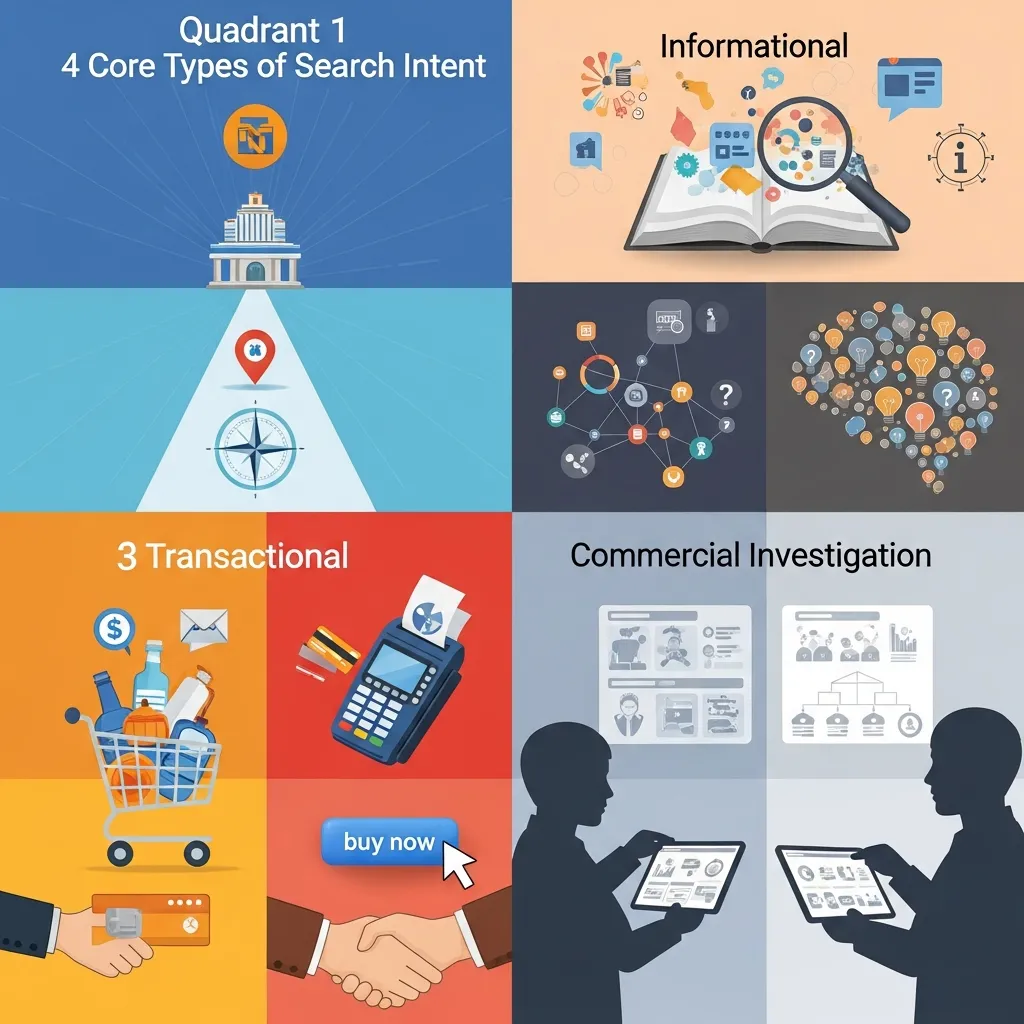 To optimize your content effectively, you first need to understand the four primary categories of search intent as explained in any Search Intent Optimization Guide.
How to Identify Search Intent
Identifying intent is not always straightforward. Sometimes a query can have fractured or mixed intent. Fortunately, you can use a few reliable methods to determine exactly what users expect to see.
The most effective method is conducting a manual analysis of the Search Engine Results Pages (SERPs). Enter your target keyword into Google and examine the top five results. Search engines heavily reward pages that satisfy user intent. Therefore, the current top-ranking pages reveal exactly what Google believes the user wants.
Pay close attention to the content formats. Are the top results comprehensive blog posts, e-commerce product pages, or comparative listicles? If all the top results are step-by-step tutorials, you will struggle to rank an e-commerce product page for that same keyword.
Additionally, leverage keyword research tools to analyze the specific modifiers used in the query. Tools like Semrush categorize keywords by intent automatically, saving you hours of manual research. You should also analyze the “People Also Ask” and “Related Searches” sections at the bottom of the SERP. These sections provide valuable clues about the secondary questions users have regarding the main topic.
Optimizing Content for Each Search Intent Type
Once you identify the intent behind a keyword, you must tailor your content to match it perfectly.
Navigational Intent: Branding and User Experience
Optimizing for navigational intent is mostly about ensuring your brand is easily discoverable. Make sure your homepage, contact page, and login portals are clearly labeled with appropriate title tags and meta descriptions. A strong site structure ensures users can navigate your website without friction. You do not need thousands of words for a navigational page. The goal is to provide a clear, immediate path to the requested destination.
Informational Intent: Comprehensive Content and Authority
Informational content requires depth and clarity. Users want complete answers to their questions without unnecessary fluff. Use clear headings, bullet points, and short paragraphs to make the content scannable. Include original research, expert quotes, and authoritative data to build trust. If you manage a large team of writers producing this content, establishing strong SEO processes for teams will help maintain quality and consistency across all your informational guides.
Commercial Investigation Intent: Comparisons and Reviews
Users evaluating their options want unbiased, highly detailed information. Create comprehensive comparison guides, product reviews, and pros-and-cons lists. Use formatting features like comparison tables to help readers digest the information quickly. Address the common drawbacks of your own product transparently to build credibility. By helping the user make an informed decision, you position your brand as a trusted advisor.
Transactional Intent: Clear Calls to Action and Product Focus
When a user is ready to buy, you must remove all obstacles standing in their way. Transactional pages should feature fast loading times, high-quality product images, and highly visible call-to-action buttons. Keep the copy focused on the benefits of the product, shipping information, and return policies. Do not distract the user with lengthy informational paragraphs on a checkout page.
The Role of Keywords in Search Intent Optimization
 Keywords act as the bridge between user intent and your content. An effective strategy relies on grouping keywords into intent-based clusters rather than targeting them randomly.
Start by building a list of primary keywords and their semantic variations. If you want to rank for a commercial term, ensure your supporting content covers the informational keywords related to that topic. This builds topical authority. To refine your approach, you must master keyword research for SEO by analyzing search volume, competition, and primary intent simultaneously.
Do not force a target keyword onto a page if it contradicts the intent. If a keyword is purely transactional, placing it repeatedly within an informational blog post will only confuse search engines and frustrate readers.
Advanced Strategies for Search Intent Optimization
Mastering the basics is a great start, but scaling your traffic requires a more sophisticated approach to intent optimization.
User Journey Mapping
Search intent is rarely static. A user might start with an informational search, transition into commercial investigation, and finally execute a transactional search. You must map these journeys and create content for every stage of the funnel. Provide internal links that guide the user naturally from an informational blog post to a commercial comparison guide, and ultimately to a product page.
SERP Analysis
Search intent can shift over time. A query that was previously informational might become transactional during a major shopping holiday. Conduct regular SERP analysis on your most important keywords to catch these shifts early. Look for changes in the types of featured snippets, video carousels, or shopping panels that appear. If the SERP features change, your content must adapt to match the new intent.
Content Clusters and Topic Authority
Instead of publishing isolated articles, organize your site using a hub-and-spoke model. Create a comprehensive pillar page that covers a broad topic broadly. Then, publish detailed cluster articles that answer specific informational queries related to the main topic. Link all these pages together. Managing this level of output requires a reliable content production system for SEO to ensure your publishing schedule remains aggressive and consistent.
Measuring Success: KPIs for Search Intent Optimization
You cannot improve what you do not measure. Tracking the right key performance indicators (KPIs) ensures your intent optimization strategy actually benefits your business goals.
Relying solely on keyword rankings can be misleading. Instead, monitor user engagement metrics through Google Analytics. Track your bounce rate and average session duration. If a page ranks well but users leave within three seconds, you have an intent mismatch.
Monitor your conversion rates based on the page type. An informational blog post might have a low sales conversion rate, but it should have a high email newsletter signup rate. Conversely, a transactional page must maintain a strong sales conversion rate to be considered successful. According to Ahrefs’ guidelines on search intent, aligning your page design with user expectations is the most effective way to improve these critical engagement metrics.
Common Mistakes to Avoid
Even experienced marketers stumble when optimizing for intent. Watch out for these frequent errors that derail organic traffic growth and weaken your search intent optimization strategy.
First, do not try to serve multiple conflicting intents on a single page. Trying to force a product sales pitch into a top-of-funnel informational guide creates a confusing and frustrating user experience. Each page should have one clear purpose aligned with user intent, which is a core principle of any Search Intent Optimization Guide.
Second, avoid ignoring the formatting preferences of the user. If the top five search results for a query are all listicles, publishing a long narrative essay will likely fail to rank. Search engines analyze what users prefer and expect for specific queries, and aligning with those patterns is essential for effective search intent optimization as explained in a Search Intent Optimization Guide.
Third, many marketers make the mistake of focusing too heavily on keywords instead of answering the actual question behind the search. Even with strong SEO signals, content that fails to satisfy intent will struggle to perform, which is why a Search Intent Optimization Guide emphasizes user-focused content creation.
Finally, avoid outdated SEO practices such as keyword stuffing or irrelevant internal linking. These tactics not only harm rankings but also reduce trust and user engagement. A modern approach based on search intent optimization ensures your content remains relevant, helpful, and competitive in evolving search algorithms, as outlined in any Search Intent Optimization Guide.
Finally, failing to establish a strong SEO project management workflow often leads to inconsistent content updates. Search intent changes, and content decays over time. Without a structured workflow to audit and refresh your pages, your perfectly optimized content will eventually lose its ranking.
 Search algorithms are becoming increasingly advanced, with a stronger focus on understanding human language, intent, and context rather than just matching keywords. Modern search engines can now interpret what users truly want, even when queries are unclear or conversational. As a result, traditional tactics like keyword stuffing and aggressive link building are no longer effective for sustainable rankings.Instead, success in today’s digital landscape depends on delivering real value and relevance. Using a structured search intent optimization guide helps content creators align their pages with what users are actually looking for, rather than simply targeting search terms. This shift ensures that content is not only discoverable but also genuinely helpful and engaging.A user-centric approach means focusing on solving problems, answering questions clearly, and providing actionable insights. When content is built around user needs, it naturally improves engagement metrics such as time on page, click-through rates, and return visits. These signals reinforce credibility and authority in the eyes of search engines.By prioritizing user intent over outdated SEO tactics, websites can build long-term trust and authority within their niche. This approach also helps protect against frequent algorithm updates, which often penalize low-quality or manipulative content. Instead of chasing rankings, businesses can focus on becoming reliable sources of information.